

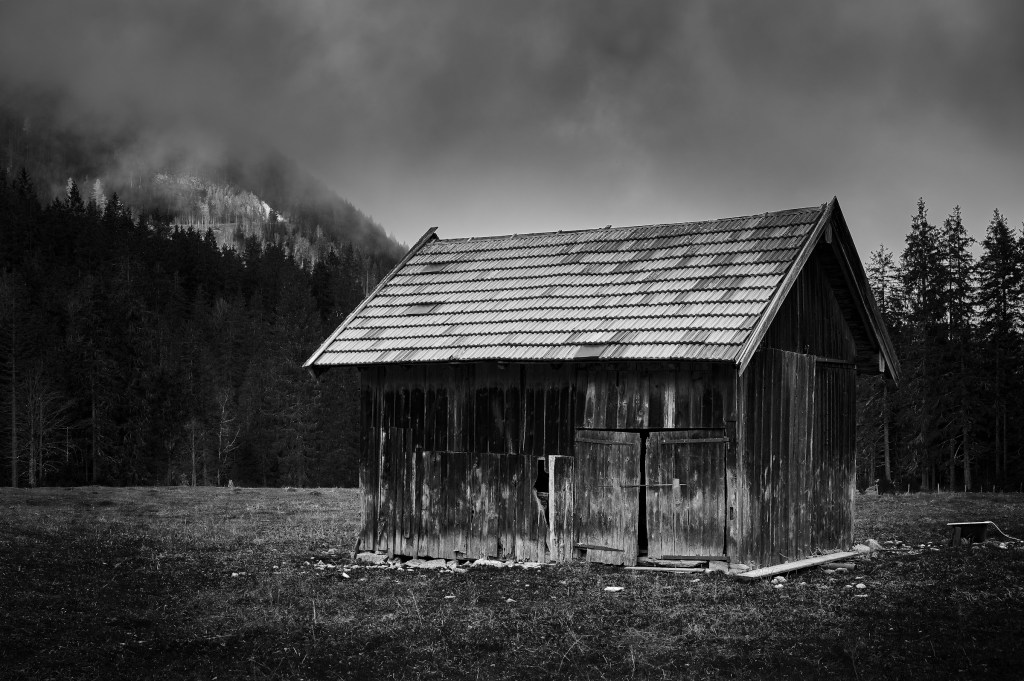
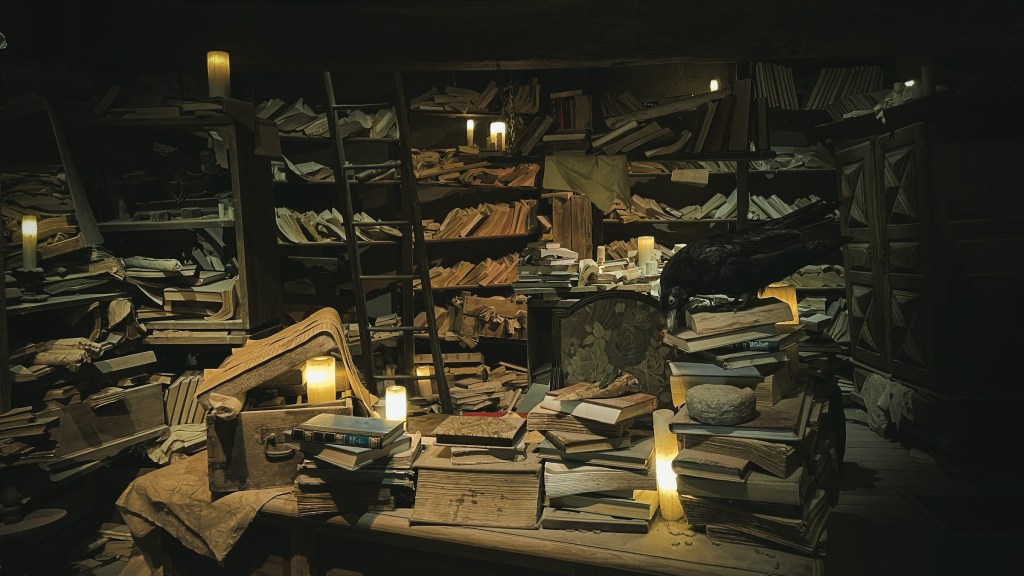
Photo by Stéphane Juban on Unsplash
There are a lot of famous shields in the old stories.
That should have been a warning. When a culture turns an object into a symbol, it usually isn’t preserving simplicity. It’s disguising something.
A shield, in its cleanest form, is plain. A boundary you can carry. A surface that says: Not here. Not through me. But myth rarely leaves boundaries plain. It decorates them. Sanctifies them. Turns them into spectacle and then insists the spectacle was virtue.
If I’m going to talk about the way I draw a line, I have to begin by walking past the shields that don’t fit.
The Aegis of Athena protects by terrifying. At its center is a severed head, mounted as proof. Power harms, then displays the harmed as justification for its right to rule. No amount of poetic varnish changes the structure: order enforced through fear.
That isn’t my line. A boundary built on the body of a victim is not integrity. It’s dominance wearing armor.
Then there is Svalinn, the shield set before the sun so the world does not burn.
It is almost painfully honest. No glory. No theater. Just necessity held in place so life can continue. Remove it, and the consequences are immediate.
But Svalinn does not deliberate. It does not weigh. It does not judge. It simply must be.
My line is not automatic. It is not reflex or inevitability. It is a decision made after patience, after evidence, after giving something every reasonable chance to return to good faith.
So if the boundary I’m describing is neither spectacle nor inevitability, what is it?
A masterwork above a hearth.
In the version of the dwarves I carry, their shields are not accessories to the weapons on their backs. They hang above the fire. They represent protection, continuity, and home.
They are heavy. Thick. Difficult to wield with anything else. Not a spear for pursuit. Not a blade for flourish. Built instead to interlock. To plant. To hold.
The point of a real boundary is not how dramatic it looks when you raise it. It is how well it holds when you set it in the ground.
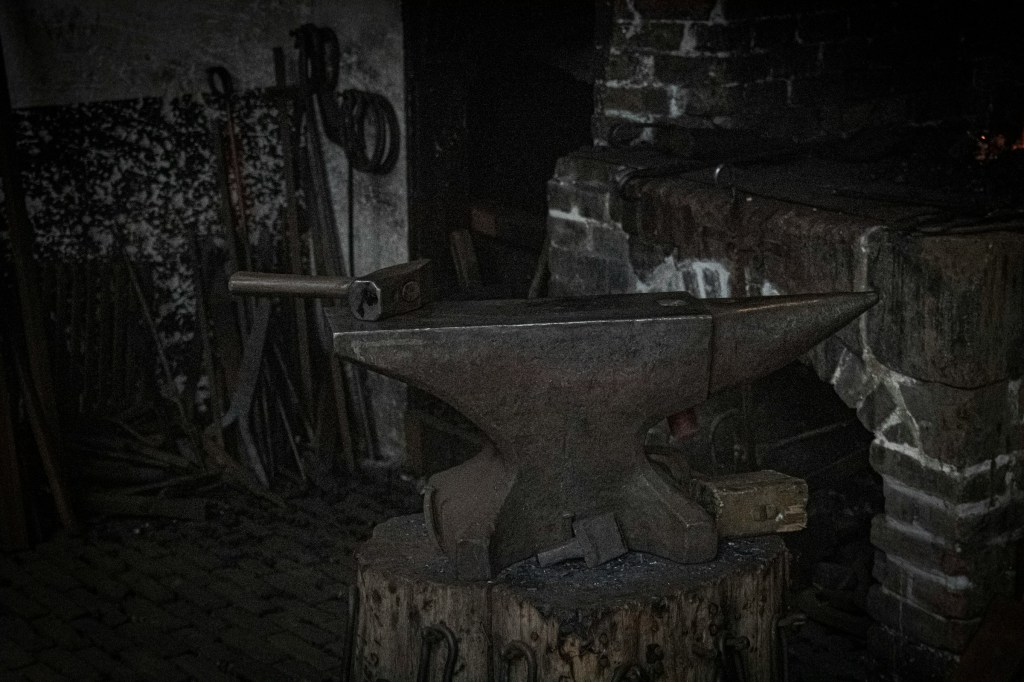
When the line is drawn, the shields come down together. Spikes bite into soil and stone. Iron locks to iron. The sound is not a battle cry. It is the sound of an anvil; a decision struck once and meant.
This far. And no further.
Not to punish. Not to dominate. But to stop participating in what should no longer be sustained.
There is always a point where patience becomes complicity. Where “one more try” becomes volunteering to hold up what should have been allowed to collapse. When staying engaged is no longer noble; it is enabling with better vocabulary.
The wall goes up not because I hate what’s outside, but because I refuse to become something I cannot respect.
The Moral Geometry of “This Far”
When I say this far, and no further, I’m not announcing that I’m done. I’m naming the point where I become accountable.
Most people hear a boundary as a mood: a slammed door, a clenched jaw, a personal offense finally taken. Sometimes it is. But the line I’m describing isn’t about how I feel. It’s about what I will participate in.
A boundary, in this sense, is a load limit.
There is always a point where helping becomes holding. Where staying involved stops being constructive and starts being the reason a broken structure remains standing. And once you see that shift, continuing is no longer neutral. It is contribution.
This is where the geometry matters. Every situation has a shape. Forces act. Weight distributes. Stress concentrates in predictable places. Some of that weight is mine to carry. Some of it isn’t.
The difficulty is jurisdiction.
There are problems I can influence, by clarifying, repairing, mediating, taking responsibility where responsibility is actually mine. And then there are problems I am merely stabilizing: systems that will not self-correct because someone benefits from the wobble; relationships that function only if one person does all the translation; environments where “good intentions” excuse repetition.
Stabilizing often looks like virtue. It can feel like virtue.
But if I am absorbing consequences that were meant to teach, I am not preventing damage. I am deferring it. And deferral always collects interest.
So the line is not a demand that others stop. It is a vow about what I will no longer supply.
I will not translate what refuses to be understood. I will not carry weight that was never mine. I will not lend competence as a brace for what insists on remaining unsound.
A boundary is a promise I keep with myself. That is why it is difficult. It cannot be outsourced. It cannot be negotiated away by disappointment or softened by the desire to avoid conflict.
And not all lines serve the same function. Some stop escalation; anger, ego, momentum pushing everyone toward collision. Those lines prevent damage.
Others stop erosion; the slow, respectable kind. The kind born of small exceptions repeated until the exception becomes the rule, and one day you realize you are living inside a compromise you never consented to.
This far. And no further.
Not because I am finished.
Because I understand what it costs to continue.
The Tests Before the Wall Goes Up
If the shield wall is what people remember, what they forget is how long the dwarves stand without it. A line that matters isn’t drawn on first contact; it is drawn when the map stops changing.
Before the spikes bite into the stone, there is a period of surveying. I am not looking for perfection; I am looking for the geometry of the intent.
The Test of Response: Do you acknowledge reality? In any sound system, information produces adjustment. If the floor is rotting and I point to the hole, do you look at the wood, or do you look at my finger? Good faith is visible: it looks like effort without coercion. It is the simple, quiet act of noticing impact without being forced to. If nothing adjusts after the truth is spoken, the “problem” is no longer a misunderstanding. It is a choice.
The Test of Load: Do you carry weight? A shield wall functions because it interlocks. It requires a symmetry of effort. I am not looking for identical strength, but for mutual restraint and shared responsibility. If the load only ever shifts in one direction, if I am always the brace and you are always the weight, the structure has already told the truth. No relationship holds when one person is the only thing keeping the ceiling from the floor.
The Test of Repair: Do you change, or do you narrate? Words are cheap; they have no mass. An apology that does not alter the subsequent cycle is not repair; only a tactical delay. I watch to see if the next iteration looks different than the last. If the “narrative” of regret is infinite but the “architecture” of the behavior remains identical, then the apology is just moral laundering. It’s a way to keep the harm respectable.
The Test of Pattern: Is this an accident, or is it architecture? Everyone slips. The wall does not go up for an error; it goes up when the error hardens into identity. Patience is not “endurance theater”, but rather the time I allow for a pattern to reveal itself. I am waiting to see if honesty increases under pressure, or if performance does. Misunderstanding can be corrected. Strategy must be refused.
When the tests fail, when reality is ignored, effort remains one-sided, and the pattern settles into permanence… the decision stops being emotional. It becomes structural.
That is when the talking ends. That is when the shields come down.
When Patience Becomes Complicity
There is always a moment, if you’re paying attention, when patience stops being a virtue and starts becoming a vice.
Not because patience is wrong, but because it can become camouflage. It can disguise avoidance as grace. It can turn I’m trying into I’m still here; even when your presence is the reason the problem never has to face itself.
Complicity is rarely dramatic. It is incremental. It is the quiet trade of effort for stability. It is when your labor becomes the scaffolding that keeps consequence from reaching the structure that earned it.
If someone knows you will catch what they drop, they will keep dropping it.
If a system learns you will absorb the shock, it will never reinforce its joints.
And the more competent you are, the more dangerous this becomes.
Competence feels like responsibility because it works. You can patch the hole. Translate the message. Mediate the conflict. Take the late-night call. Make it functional enough that no one has to admit the floor is rotting.
But there is a point where competence stops being a gift and becomes concealment.
That point is the pivot.
Helping becomes hiding the cost. Not one of malice, but out of habit. The reflex to steady the table instead of asking why the legs are splitting.
When my effort prevents reality from being felt, my labor becomes part of the lie.
Once you see that, you cannot unsee it.
You begin to notice how often dysfunction survives because someone capable keeps paying the bill. How “good intentions” become moral laundering: a way to keep harm respectable by wrapping it in effort and apology. How the benefits of your work are accepted while the underlying problem is treated as optional.
At that point, continuing is no longer endurance. It becomes an endorsement.
It teaches the world that the cost will always be externalized onto the competent, the patient, the principled, or whoever still believes the hearth matters.
So the wall goes up. Not in anger, or as a matter of spectacle. But because I refuse to be the buffer that keeps consequence from reaching the hands that created it.
That is what this far means.
It is rarely indifference. Instead, it is care, finally refusing to subsidize the lie.
Refusal Without Hatred
Refusal is often mistaken for revenge.
To people accustomed to endless access, any no feels like aggression. But revenge reaches outward. It pursues. It attempts to inflict something back.
Refusal does not pursue. It withdraws.
What I’m describing is not retaliation. It is opting out of a broken contract. Not the kind written in ink, obviously, but the one that underlies most relationships and systems:
If I show up in good faith, you will too. If I clarify, you will listen. If I carry my share, you will carry yours. If harm occurs, we repair.
When that contract collapses, continuing does not make me noble. It makes me available. And availability is easily mistaken for consent. So the distinctions matter.
Punishment is deliberate harm aimed outward, often disguised as “teaching a lesson.”
A boundary is withdrawal; the decision to stop supplying effort, attention, translation, or presence to something that has demonstrated it will not reciprocate in good faith.
Consequence is what remains when buffering stops.
It is consequence people fear most. They grow accustomed to a reality where someone else absorbs the cost. When you stop absorbing it, the weight becomes visible. What feels like cruelty is often just gravity finally allowed to function.
The wall is not an attack. It is a withdrawal of consent. That does not, however, make it painless.
The hardest part of drawing the line is often that you wanted it to work. You wanted the system to become healthy. The relationship to become reciprocal. The apology to become repair. The “next time” to actually differ from the last.
So refusal carries grief. Not grief for what was, but for what could have been, had reality been met honestly.
From the outside, stillness can look like hatred. Silence can look like severity. It isn’t.
I am not swinging at you. I am setting down what I was carrying for you.
Do not confuse the decision to stop being harmed with the desire to cause harm.
The Shield Wall as Ethics of the Clan
A shield wall only makes sense if there is something behind it worth protecting.
Boundaries are often framed as aggression: keeping people out, drawing lines in sand, building walls against the world. But most real boundaries are not about exclusion. They are about preservation.
The dwarven shield, as I imagine it, is not a prop for war. It is not a badge of intimidation. It hangs above the hearth. It is a household object elevated into a moral declaration.
The shield above the fire is not a warning to strangers. It is a promise to family.
And family, here, is not blood. It is whatever you have chosen to be responsible for: dignity. Truth. Standards. The people still acting in good faith when it would be easier not to.
That is why the wall interlocks.
Integrity is never purely personal. When your choices touch others, your standards shape the air they breathe. If I lower mine, it does not stop with me. It alters what becomes normal. It alters what others must tolerate. It alters what the next honest person must climb over just to keep the fire lit.
The wall is communal not because everyone agrees, but because everyone downstream inherits what becomes acceptable.
And the shield wall is costly. It is heavy. Slow. Inconvenient. It commits you to stillness when movement would often be easier. It demands restraint, training, and a willingness to be misunderstood.
That is why it means something when it appears. If the wall rises quickly, it is temperament. If it rises rarely, after effort and repair have failed, it becomes language.
It says: I tried to mend this without force. I tried to carry my share without becoming the brace. I tried to give time for correction.
Now reality has shown its shape. The line is not drawn to keep people out. It is drawn to prevent contamination.
Contamination, in this sense, is rarely dramatic. It seeps. It is the small exception that becomes precedent. The lowered standard justified as practicality, or the quiet agreement to pretend something is fine because naming it would require consequence.
That is what the wall is for. I do not plant the shield because I hate what stands outside. I plant it because I will not let erosion reach the fire.
Yes, there is severity in that. But it is not the severity of aggression.
It is the severity of stewardship, the seriousness of someone who understands that a hearth does not stay warm by accident, and that “being reasonable” is often the first language of rot.
What Happens After the Line
After the line is drawn, the strangest thing is the quiet.
People expect spectacle. A speech. A verdict sharp enough to justify the story they were already preparing to tell about you. They expect noise, because boundaries are often portrayed as domination.
But a real line is not dramatic. It is still. Once the wall is planted, there is little left to say.
There is distance. There is silence. There is the deliberate act of stepping aside and allowing reality to function without you standing between it and the consequences it has been avoiding.
This is when the accusations arrive: Cold. Rigid. Unforgiving.
Those words are easier than the alternative. The alternative requires asking: What did I assume would always be available to me? What did I rely on that was never promised?
It is easier to call coherence cruelty than to admit dependence, because if the contract was broken, then the line is not violence. Instead, it becomes something far more terrifying: alignment.
And alignment feels ruthless to those who survive by inconsistency. The motive behind the wall is not punishment. It is fidelity.
Fidelity to principle.
Fidelity to standards.
Fidelity to the quiet agreements that make trust possible at all.
Ultimately, fidelity to the hearth; whatever form that hearth takes in your life: the people who still mean what they say, the work that still deserves rigor, the parts of you that refuse to bend simply because rot has learned to speak politely.
That is what is being protected.
The shield is not a prop raised to look powerful. It is a commitment planted at the edge of complicity. The wall remains. The hearth continues. The mountain does not move.
Long after the shouting fades and the convenient story settles into place, the ground still carries the mark of the spikes.
That is the difference between performance and principle: One makes noise, the other holds.
This far. And no further.
This much. And no more.






Leave a comment