
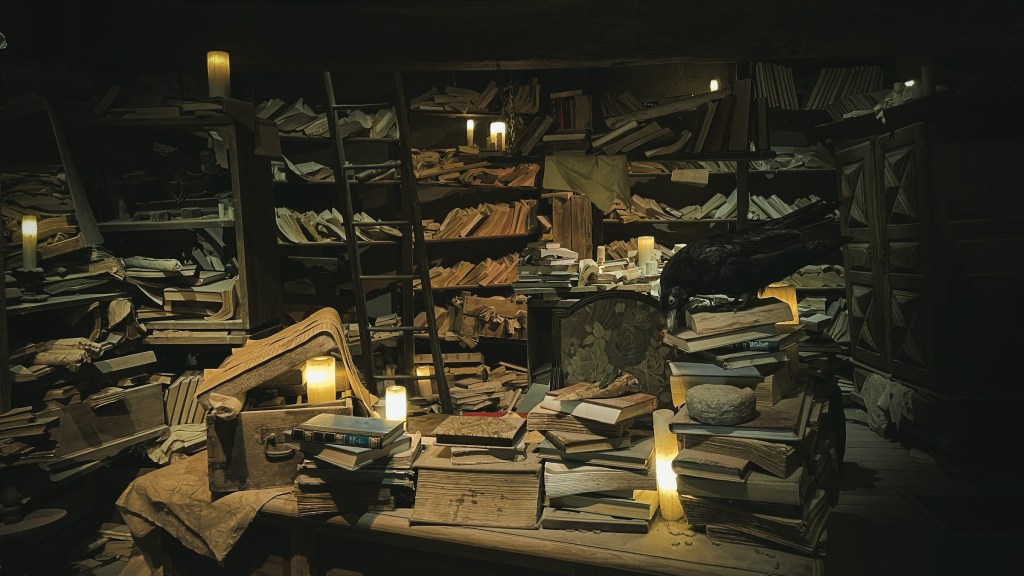
Photo by Zuzana Kacerová on Unsplash
He’d been asked the question a thousand times in a thousand years, but it still caught him off guard when the barista said it with a smile that meant she cared just enough to ask.
“So… what do you do?”
He told her the truth, or at least the most recent version of it. That he welded steel into shapes that didn’t have to hold anything anymore; shapes that existed for no reason other than to be seen. He said he liked the way the light bled across the seams, the way heat made color from metal, the way a thing could be both fragile and forever.
He even smiled when he said it, in that easy American way that suggested confidence without invitation.
But later, when the night came and the city cooled, and he walked home through streets that used to be fields, he turned the question over again like a coin between his fingers. What do you do? What did he do? What had he been doing, all these centuries?
He remembered the first fire. The kind that fed the body before it fed the spirit. When food was more feeling than word, when hunger meant survival, not appetite. Back then, he was no artist, no philosopher, no brand. He was a hunter. Years later, a farmer.
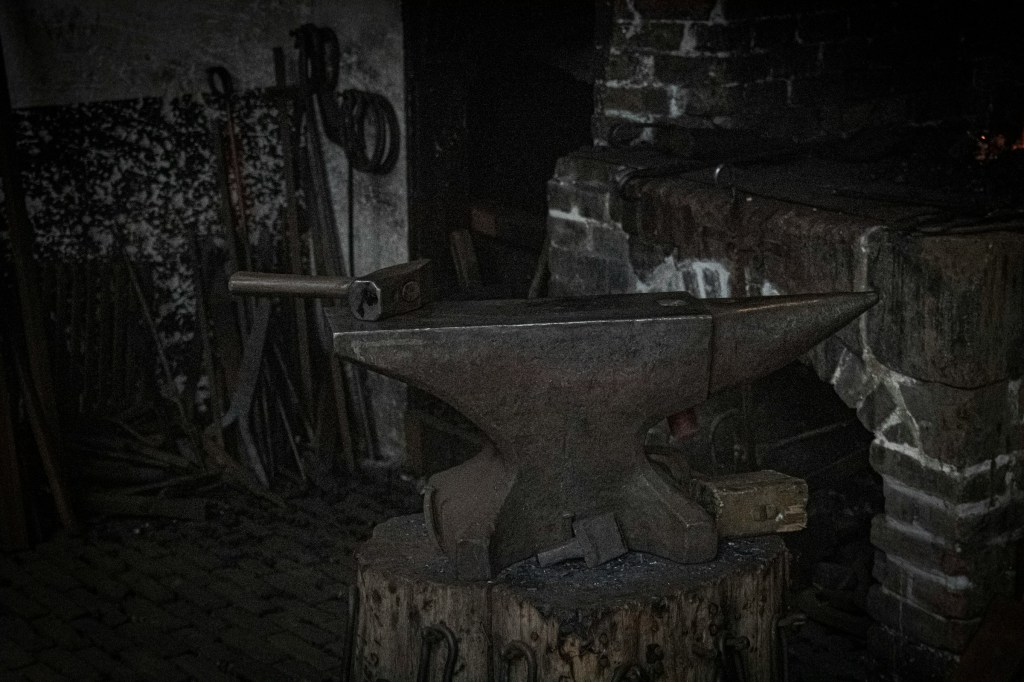
In the era he recalled most fondly, he was a smith. He heated and hammered and shaped, his arms moving in rhythm with the breath of the forge, his work both prayer and necessity. In the tribe, the measure of a man was not what he said, but what he made. A blade, a bowl, a roof that kept the rain out. Worth was visible, solid, and warm in the hand.
He had kept the name long after the tribe forgot it. Smith.
Through the centuries, he’d watched as ability became capability, and capability became identity. The world learned to name itself by what it could do. The potter, the farmer, the scribe. Then came the ranks, the trades, the professions. Ability turned to currency. Reputation was forged not from what was given, but from what was recognized. And when recognition itself became scarce, they learned to counterfeit it.
He smiled ruefully at that thought as he passed the window of a boutique where a young influencer’s reflection admired itself in a glass pane etched with her name. A name no older than a season. A brand built not from creation, but from curation. He could feel the ghost of the hammer in his hand, heavy and honest.
He thought of how names had once been earned, each one hammered into the flesh of language by deed. How a name was once a promise; a mark of what one brought to the tribe. But now, the tribe was endless, scattered, and loud. The forge had become a feed. The anvil, a screen. The tribe still demanded its offerings, but now it wanted stories, not steel. The cost of belonging was no longer work, but presence.
He’d lived long enough to see survival itself change shape a dozen times. To see the worth of a person measured first in muscle, then in mind, then in money, and now… in mirrors.
Sometimes, in his dreams, he still heard the old tongues whisper. Creole murmuring of salt and sea. French curling like smoke around the words of prayer. Gaelic rising like wind through grass. Older languages still, from before language had learned to lie. He heard them when he shaped metal, the only time his mind was still enough to remember who he was before people started asking what he did.
He thought of that as he stepped into his apartment, the walls humming with invisible signals, the glow of screens breathing faintly like coals. His newest piece waited in the corner: two twisted bars of iron fused into a circle, their edges imperfect, their symmetry deliberate. He’d called it Echo. No one would understand why.
Once, the world had been small enough for a man to be seen. Now, it was too wide to notice itself. Every face a spark, every spark lost in the glare. He wondered sometimes if humanity had built its cities not to live in, but to be seen living. If all of this, every tower and network and name, was just a bigger tribe, louder and lonelier, still trying to prove its worth around a digital fire.
He turned off the lights. The sculpture caught what little moonlight filtered in through the window. It shimmered faintly, alive with heat long since spent.
“Still forging,” he murmured, in a voice older than the language it used.
The Campfire: Where Reputation Was Life
He remembered when the world was small enough for truth to be seen.
No proxies, no profiles. Just hands, fire, and the work they did. A life wasn’t explained. It was witnessed. A hunter who brought back meat didn’t need to justify himself. A healer who lost a child did. Reputation wasn’t a pitch or a platform. It was what the tribe saw, day after day, around the firelight.
He could still smell that smoke. Mixed with ash, sweat, and bark. Not metaphor, but smoke. The kind that clung to your skin and meant you were fed, or you had fed someone else.
There was no such thing as performative virtue then. The test was survival, and it was pass/fail.
To lie or steal or neglect your task wasn’t a private failing; it was sabotage. It meant someone went hungry, someone froze, someone died. In that world, justice wasn’t a concept. It was a kind of gravity. If you fractured trust, the tribe let you go.
And letting go meant you didn’t last the winter. He’d seen it happen. Once. Only once. He never forgot the silence.
Back then, being seen was sacred. Not in the way people now flood each other with filtered images and curated selfhood. It was quieter. He remembered the gaze of the tribe, not adoring, not judgmental. Just present. You were known because you were there, and because you did what needed doing.
The tribe’s eyes were the conscience of its people.
He still felt that sometimes. In his gut. That quiet scan for approval or doubt in a face. The tension in his shoulders when someone turned away too quickly. What they call social anxiety now had once been something simpler: survival’s antennae. Shame wasn’t a disorder. It was memory. Not yours. Ours. It was the body remembering what exile used to mean.
That circuitry was old. Older than language. Older than names. And it hadn’t vanished. Not really.
It still hummed under the rituals people called networking or branding. It twitched when a message was left unread, when a post got no traction, when a room went quiet. The fire hadn’t gone out. It had just moved behind glass.
And the tribe? It hadn’t disappeared either. It had become invisible, everywhere, and hungry.
The Temple: When Belonging Became Belief
He remembered when belief began to replace presence.
It happened slowly, like rust forming beneath paint; quiet but entirely irreversible. One day the fire was for warmth, and the next it was sacred. Not because anything changed in the fire itself, but because someone said it did.
When the tribes grew into settlements, when the hunt gave way to harvest, people started living far enough apart that truth couldn’t always be seen directly anymore. And so they filled the gaps with faith.
He watched as hands stopped sharing labor and started performing rituals. A roof no longer testified to the skill of the builder; it testified to the blessing of the gods. Worth was no longer witnessed; it was mediated. Measured by offerings and decided by priests.
He remembered a time when a bowl proved its maker. Now a man might fast, chant, and kneel, and be called good.
It unsettled him, even then. The way stories began to matter more than acts. How people started wearing virtue like clothing: coordinated, ceremonial, easy to remove. Reputation stopped being something earned in the heat of daily work and became something bestowed by the right gesture, the right sacrifice, the right myth.
He saw the first temples rise, not as places of peace, but of performance. The sacred fire no longer warmed the tribe. It was kept behind stone and rules and intermediaries who claimed to speak for the divine but mostly spoke for themselves.
And yet, people obeyed. They wanted to belong. He understood that.
What had once been trust in each other became trust in symbols. Belief became the price of community. Doubt became dangerous.
He learned quickly: to be accepted, you had to be seen believing, even if you didn’t. It wasn’t truth that mattered, it was consistency. The story had to be upheld, or the tribe would fracture. So everyone nodded, knelt, recited. The gods became mirrors; reflecting not heaven, but the tribe’s hunger for certainty and control.
That was when he began to feel the first fracture inside himself. Not between right and wrong, but between what was seen and what was real. Between the man who shaped tools and the man who was now told to shape symbols.
The forge remained. The hammer still sang. But now, people praised the prayer, not the product.
And he began to wonder if they still knew the difference.
The Polis: The Birth of the Public Self
He remembered when the crowd became the judge.
Not the tribe. Not the gods. The crowd. Always restless, curious, and eternally hungry. When the fires of belief burned low, the stage lights came on. Truth was no longer whispered between kin or etched in the calluses of your hands. It was performed, in the open, for applause.
He watched the agora fill with voices, loud ones. The city had grown too vast for quiet integrity. Now, a man had to speak well to matter. And those who could shape language like a blade rose faster than those who shaped tools or homes.
He remembered standing at the edge of the assembly, soot still in his beard from the morning’s forge, while some polished citizen shouted conviction into the crowd. It didn’t matter if it was true. It mattered if it landed.
Fame became currency, and words became weapons. Even morality shifted shape, no longer measured by the strength of a man’s contribution, but by how convincingly he declared his values. Participation replaced presence. Rhetoric replaced witness.
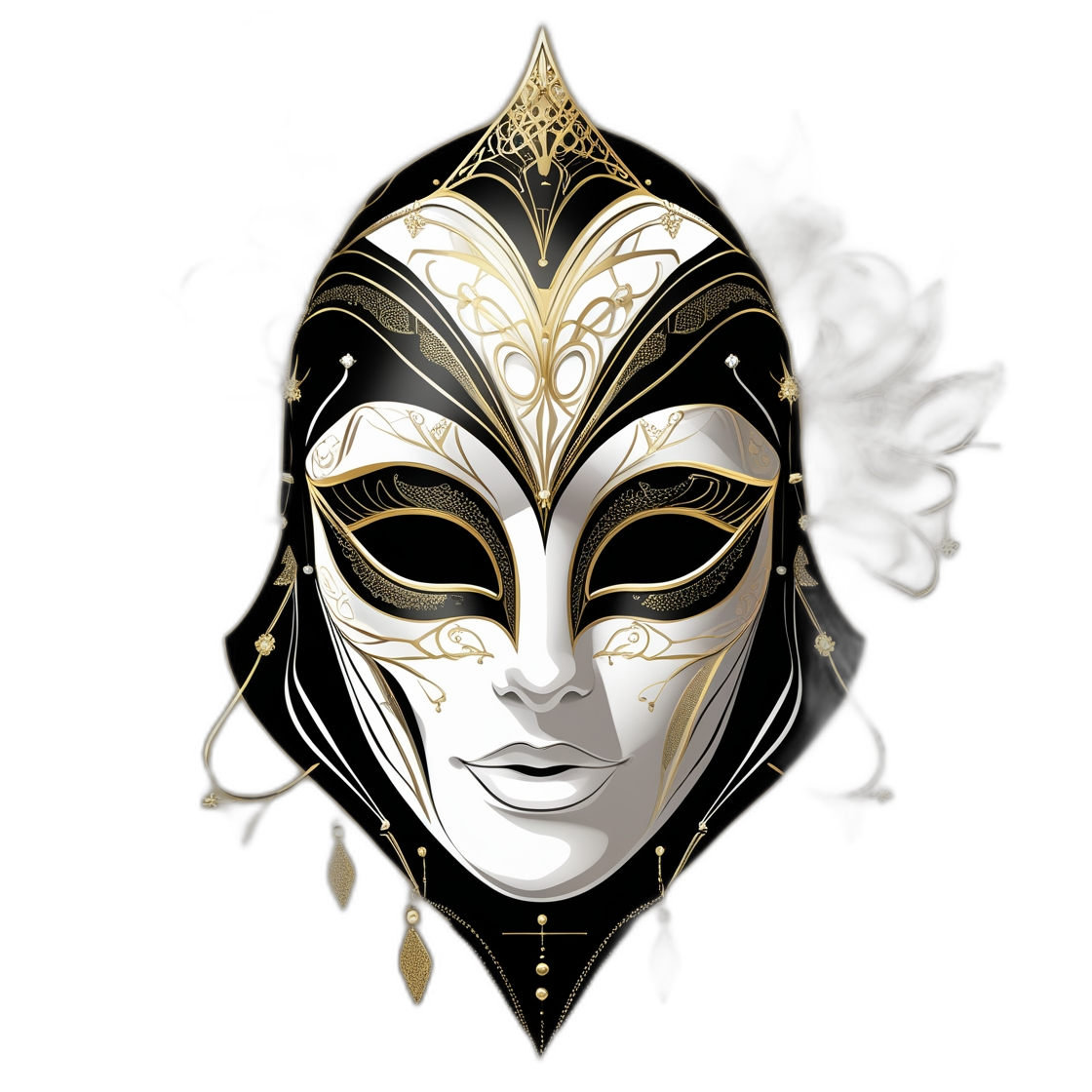
The forge stayed warm, but it was no longer sacred. The city had new rituals now: debate, decree, and ceremony. He watched virtue become theater. The masks were literal, at first.
Then they weren’t.
He remembered the trial. Socrates, old and patient, asking the wrong questions too publicly. And the city, so proud of its freedom, silencing him for fear he’d unravel its myths. They didn’t kill him for corrupting the youth. He died for the crime of unmasking the performance.
And he realized then: the crowd could love honesty, but not too much of it. Not if it disrupted the narrative.
That was the wound he still carried.
Because in the polis, to be seen was to exist, and to exist was to perform. The man who told the truth risked exile. The one who best mirrored the mood of the crowd inherited the city.
He learned to speak carefully, then. Not just with words, but with posture, with silence, with the way he nodded in assemblies he didn’t believe in. The public self was born in those streets, crafted out of necessity. To disappear from the gaze was to disappear from the world.
The gods no longer watched. But everyone else did. And so people learned to live in mirrors. Not to deceive, exactly, but to survive.
Even now, he could feel it, every time he posted a new piece, every time he stepped into a gallery or shook a hand. The pressure to frame himself, to speak his own myth before someone else did. The crowd had changed. The platform had changed. But the instinct remained.
To belong, you had to be seen. To be seen, you had to perform. And if you performed too poorly, or too truthfully, you vanished.
The Empire: The Pageant of Power
He remembered when illusion became infrastructure.
The polis had taught people to perform; the empire taught them who to perform for. The crowd had become a stage, yes, but now there were scripts. Uniforms. Flags. Stories polished like coins and passed hand to hand until belief became obedience and obedience became law.
He watched as power stopped trying to be righteous and started trying to look inevitable.
Loyalty turned into choreography; how one bowed, how one stood, how one smiled when the emperor passed. He remembered standing in the back of a temple once, sweat still drying on his arms from the morning’s work, watching priests chant the same seven words over and over while a child swept ashes from an altar. The emperor’s face was carved into the marble above them, serene, unblinking.
It was no longer enough to do your work. You had to be seen doing it for someone else.
That was the new morality: alignment. The illusion of harmony smoothed over the fractures of conquest, class, and hunger. The blacksmiths still hammered steel. The builders still carved stone. But their work no longer spoke for them. It spoke for the story.
He saw it happen in eyes first. The hesitations. The glance before a word. The smile that lasted half a second too long. People weren’t just performing anymore, they were monitoring themselves. Reputation had become surveillance in reverse.
And the fire? It still burned, sure, but now it belonged to the empire. The same heat that once forged tools was now used to brand allegiance. Guilds marked by sanctioned seals. Work measured not in utility, but in loyalty. The quality of the blade didn’t matter unless it bore the right crest.
That’s when he started hiding.
Not because he feared punishment, but because he feared participation. Because every contribution was claimed by someone else’s narrative. He learned to speak in fragments. To keep certain truths quiet. His conscience, once shaped by the eyes of peers around a fire, now folded inward like a secret note passed in a crowded hall.
The human face had become both shield and signal. To survive, you smiled while being watched.
And he understood then: visibility was no longer connection. It was control. To be seen was to be measured. To be measured was to be used.
The instinct to belong still lived in him, but now it came with a shadow. A reflexive caution. A knowledge older than words that said: you are not being welcomed; you are being weighed.
He still worked metal, still shaped fire. But with every spark, he wondered: who would this serve? And who would claim it?
He began marking fewer things with his name.
The Algorithm: When the Tribe Became Infinite
This was the part he hadn’t been prepared for.
He’d survived tribes, temples, cities, and empires. He’d seen identity become ritual, then theater, then strategy. But this… this was something else entirely.
The crowd had grown too large to see. Too loud to hear. And yet, it saw everything.
He didn’t remember joining. No one did. One day, he simply existed online; a name, a profile, a presence made of pixels and patterns. And from then on, everything he did could be recorded, compared, reacted to. Not by a village, not by a neighbor, but by a faceless swarm trained to mimic attention.
The tribe hadn’t disappeared. It had multiplied. Infinitely. And with it, the gaze.
Every post was a flare shot into a night sky that always answered. Sometimes with silence. Sometimes with applause. Always with judgment. He felt it even in his hands now, twitching toward his phone between welds, catching himself trying to phrase his thoughts like they might be overheard.
They always were.
He used to forge for function, then for beauty. Now he found himself shaping ideas that could be understood in under eight seconds. He hated it. But still, sometimes, he did it anyway.
The algorithm didn’t reward clarity. It rewarded heat. Outrage. Agreement. Echoes of the same sentiment, dressed up as insight. He could say something true and be ignored. Say something familiar, and be amplified.
That was the new forge. Invisible, instant, insatiable.
He’d become both performer and audience, hunter and hunted, though for attention, rather than food. For approval, in place of shelter. He watched daily as people sliced themselves into fragments just to be more palatable. More viral. Whole selves were too slow. Too complex.
He recognized the instinct, the need to belong, to be seen. It was still the same fire as the old campfires, but now it burned through glass.
Dim. Flickering. And cold.
Connection hadn’t died. It had just been optimized. Every emotion sharpened for engagement. Every thought trimmed to fit the frame. Authenticity became a brand. Vulnerability, a tactic.
He felt it hollowing people. He felt it hollowing him.
The world had achieved something that once seemed divine: omnipresence. But it came at the cost of intimacy. Every eye was watching, but none were looking. Recognition had become reflex. Praise came in metrics. Belonging was affirmed in notifications.
Still, he posted. Not always. Not well. But enough to remember that this system didn’t punish dishonesty. It punished silence. To disappear was to be irrelevant, and to be irrelevant was not to be safe; it was to be suspect.
Sometimes, he still heard the old tongues in his sleep. Not the words, just the feel of them. Solid. Heavy. True. He’d wake with their weight in his mouth, and by noon, be typing hashtags.
The contradiction ate at him.
But he couldn’t leave the forge. Not yet. Even here, buried under algorithms and branding and the endless scroll, he still shaped things. Still tried to make something with meaning out of raw noise.
It was quieter now. Lonelier. But some sparks still mattered. Some heat still lingered. He worked with that.
The Quiet Rebellion: Choosing to Be Seen Truly
He knew better than to romanticize the past. The campfire was never coming back. The forge would never be sacred again.
Even if it was, the noise outside would drown it out before the heat could spread. The world was too vast now, too fractured, too lit by screens pretending to be stars. But even so. he had learned something from all those centuries of watching.
Scale didn’t have to define meaning.
He couldn’t make the world small again. But he could choose not to let it swallow him. He could choose not to perform, even when the algorithm begged for a mask. He could refuse the pressure to decorate his honesty, to rehearse his truth, to measure his worth in reach.
He still remembered what it felt like to be seen without presentation. When a bowl was enough, when a fire was physical warmth more often than prosaic metaphor.
He couldn’t bring that world back. But he could carry its instincts forward.
Belonging didn’t have to be earned through spectacle. Reputation didn’t have to be announced. It could trail quietly behind action, the way shadow trails flame.
This, he realized, was what rebellion looked like now.
Not withdrawal. Not silence. Just honesty. Stubborn, unfashionable, and incomplete; it was the willingness to speak plainly. To show up without polish. To shape something with no audience in mind beyond the piece itself.
To meet the world not as a brand, but as a presence.
He saw the way people reached for connection now; polished, prepared, and desperate. He saw them weaponize vulnerability and call it authenticity, bleeding just enough to be relatable, never enough to be changed.
He understood it. He’d done it. But he also knew: the only thing rarer than truth was someone who could hold it without flinching.
So he began again. With fewer words. With fewer signs. One piece at a time. One gesture. One conversation that left no digital trace.
He wasn’t trying to be invisible. He just didn’t want to be calculated. If someone saw him, really saw him, it would have to be in the space between impressions. Not because he had curated the right version of himself, but because they were still willing to look past all that.
That was the real work now. He no longer needed to be understood by the many. Just recognized by the few.
The campfire had become the screen. The screen, the mirror. But even mirrors could be repurposed. They could reflect not just the surface, but the flame beneath. If you looked slowly. If you stayed long enough.
To be seen truly, he realized, was not to be admired. It was to be received. Unoptimized, unfinished, and human.
He didn’t know if that would ever trend. But he did know this: it was the only kind of freedom left that didn’t feel borrowed. So he lit the torch, pulled down his visor, and started shaping again.
Not because anyone would notice. But because he did.
Closing Reflection
From campfire to coliseum, we have carried the same fragile instinct: be seen, be valued, be safe. But safety has become spectacle, and value has become volume. Perhaps the task of the modern human is not to escape the crowd, but to learn, at last, how to stand within it… and not perform.
He thinks of that sometimes, when the arc welder hums and the light burns hot against his visor. In those moments, the centuries fall away. He no longer feels like an artist but a craftsman again, shaping need into form. The hiss of metal against flame sounds like the breath of the first fires; the ones that taught him to feed, to build, to belong.
He once forged for survival: blades for hunters, plowshares for farmers, tools that held purpose in their weight. Then he forged for trade, for status, for art. Now, he forges ideas. Each new work is less a sculpture than a symbol, a quiet reclamation of meaning from the noise of spectacle. The shapes he welds now are reminders, not of progress, but of persistence: that creation itself can still be honest.
He thinks of the guild marks he once wore, stamped into metal like a promise of quality. How such marks became brands, and brands became idols, and idols became metrics. Somewhere along that chain, the mark stopped standing for the maker. It began to stand for the market instead.
But still, the hand remembers what the soul refuses to forget: that worth is not in the mark, but in the making.
As he watches the molten seam cool, he can almost hear the whispers of all the worlds he has lived through. The chants of temples, the debates of agoras, the anthems of empires, the endless scroll of feeds. All of them burning toward the same need; to be seen, to belong. The difference now is that he no longer mistakes the light for warmth.
He welds because it reminds him what the first fires taught: that value lives in use, not in spectacle. That the act of shaping, of transforming raw matter into meaning, is its own prayer. He has learned that in every age, survival requires creation, and creation demands sincerity. The forge, the brush, the code, the post… it is all the same impulse, just reaching through time, asking to be recognized without pretense.
When he finishes, the workshop is dark but for the faint orange of cooling metal. He lifts his visor, studies the imperfect curve, and smiles.
“Still forging,” he murmurs again. But this time, it sounds different. Not a statement of endurance, but of choice.
Outside, the city hums, its towers flickering like digital pyres. Inside, one man stands before a new type of flame, shaping what truth remains by hand.



Leave a comment