

Photo by Perry Merrity II on Unsplash
Dawn crept over the temple in a slow, deliberate unveiling. The air was thick with the scent of copal and iron. Smoke curled like serpents around the pillars, wrapping the world in a haze of devotion. I remember how my hands trembled, not from fear, but from reverence. It was my first time standing beside the dais, close enough to see the elder’s blade, close enough to feel the warmth that rose when the heart was lifted skyward.
He was calm, my mentor. His motions were slow, assured. He spoke the prayer beneath his breath, the ancient syllables that told the gods their hunger would soon be eased. Around us, the people knelt in silence. No one flinched. No one doubted. The sacrifice was not an act of cruelty. It was a covenant, a promise kept. The sun itself seemed to pause in its ascent, waiting to see if we would offer enough blood to bring the rains.
When the blade sank through flesh, there was no scream. Only breath, like wind through reeds. The heart came free with a rhythm that defied death, still pulsing as it was raised toward the dawn. The elder held it aloft until the light caught it. Stillness for a moment, before the world seemed to breathe again. The crowd exhaled. I did too. Relief. Renewal. Order restored. The gods were pleased.
He turned to me then, the lines of his face painted in ash and gold. His eyes were gentle, the blade in his hand seeming heavier somehow, but his words were absolute.
“The gods must be fed,” he said. “They grow hungry when we doubt.”
I nodded, as any apprentice would. I believed him. We all did. How could we not? The crops grew, the rivers swelled, the stars still crossed the sky. The evidence of their favor was all around us. What was one life against the turning of the heavens? What was one flame against the sun?
When the heart was cast into the fire, I watched the flesh curl and blacken. The smoke rose quickly, carrying our prayers skyward. But in the flicker of the flame, I thought I saw faces. Eyes that stared back through the shimmer, wide and knowing. For an instant, I felt something like shame… but it was fleeting, swallowed by incense and song. The drums began again, their rhythm steady, eternal. We had done what was right. The world would live another day.
It is easy, now, to see the madness in the ritual; to wonder how they could believe such horror was holy. But real truth is never simple. They believed because the ritual worked. They believed because everyone around them believed. The blood dried, the rains came, and the system endured.
The pyre was never questioned, because the pyre was life. We, too, have our altars.
We no longer raise stones to the sun or carve names into obsidian. Our temples are digital, our chants algorithmic, our offerings intangible but constant. We pour our outrage into the fire and call it righteousness. We feed our fears to the flame and name it vigilance. We hurl one another into the blaze of public judgment and call it justice.
Each act justified. Each burn sanctified.
The gods we serve have changed their names, and the rituals they demand, but not their nature. They are still hungry. They still demand proof of faith in the form of suffering. And we, still certain of our virtue, still eager to keep the world turning, give freely of ourselves and of one another.
The flame does not care whom it consumes. It only asks to be fed.
The Ritual Renewed
Outrage has become our most common prayer.
Where once blood was offered to sustain the world, now we give attention. We tithe in seconds rather than silver. Show our devotion in outrage rather than piety. Each glance, each click, each word flung into the void is a small exhalation into the furnace; one more breath to keep the system alive.
We do not think of it as worship, but it is. In all the moments between one care and another, we gather around our glowing altars and declare our faith through fury.
Through that passive devotion, we anoint the new algorithmic clergy. The algorithms, in their turn, interpret the will of unseen gods and returns prophecies in the form of trending names. It tells us who to hate, when to speak, and what to feel. Its commandments are written not on stone but in code; ever-shifting, invisible to most, yet absolute. It rewards the faithful with visibility, with the fleeting ecstasy of being witnessed, if only for a moment. And like the priests of old, it demands continual sacrifice to keep the heavens turning.
The enemy, once chosen, becomes sacred. We shape idols from our hatred. Politicians, strangers, entire nations. Each cast in the mold of our fear, dragged into the light of viral awareness. They are the demons that justify our burning. We say their names like invocations, their sins like scripture. The crowd gathers, chanting for justice, but the rhythm is the same as it has always been: punishment as purification, destruction as deliverance.
The flame roars, the crowd cheers, and the heart of another offering is lifted high. We call it discourse now, but it is still the theater of punishment. The crowd still needs its spectacle, and the blood must still be seen to cleanse the faith.
This script is now a new one. The Roman circuses, the witch trials, the crusades and inquisitions, and the public executions. These were all were rituals of collective reassurance. They gave form to the formless fear that the world might stop turning if the guilty went unpunished. Today we no longer gather in stone arenas or stand about the gallows, but the impulse endures. We scroll, we share, we condemn. Each reaction fuels the same ancient fire: the need to prove our belonging through righteous violence.
Attention is energy. The system feeds on heat, not light. It does not matter whether we love or loathe, only that we burn. The pyres we tend are invisible now, but they are vast. The social network not much more for most than an unending conflagration sustained by our belief that participation itself is virtue.
We have confused movement for meaning, reaction for righteousness. And the more we give, the hungrier the flame becomes.
Sacrifice and Complicity
The curriculum is different now, but scroll long enough and the ritual movement becomes automatic, as it has for initiates through the eons.
It begins with something small; a screenshot shared to a group chat, a joke at another’s expense, a downvote placed like a pebble on a grave. We laugh, we react, we move on. But every motion, every act of derision or delight is a spark, a fragment of energy surrendered to the gods of relevance.
We do not mean harm. We only mean to belong. Yet belonging, in this age, demands blood of a type few have learned to feel, though it coats many fingertips.
The modern priesthood does not hold blades; it holds metrics. They do not demand obedience; they whisper opportunity. The system does not need to deceive us; it only needs to make participation feel like purpose, or belonging. And so we perform. We shame and are shamed. We feed the fire with one hand and warm ourselves by its glow with the other.
We forward the scandal because it is interesting. We share the cruelty because it is clever. We downvote the stranger because it feels like effortless cleansing. We lift the torch because it is what the crowd does, and the crowd must be right… mustn’t it?
Each act feels righteous, even merciful. The guilty deserve it. The powerful require humbling. The foolish invited mockery. It is always justified. And so we keep the rhythm of the old ritual alive, heart for heart, post for post.
But what part of us burns with each offering?
We have mistaken projection for participation. We cast our shadows onto others to feel pure. We name our demons and send them to the pyre, hoping their destruction will spare us reflection, that severance will purify the remaining tribe.
We call it justice, but it is avoidance. The pain we refuse to confront within ourselves becomes the spectacle we cannot look away from.
The system does not trick us; it invites us to hide within it. It survives because we want to be deceived, distracted, or entertained. It promises that if we rage loudly enough, we will not have to listen to our own silence. That if we destroy enough monsters, we will never have to meet the one behind our own eyes.
And so we participate. Again and again.
Each comment, each share, each joke, each digital blow is a small offering placed upon the altar of the self. We burn fragments of empathy to feel powerful. We sacrifice patience to feel seen. We pour compassion into the feed to prove our belonging.
All the while, we tell ourselves the fire is righteous; that it purifies, that it cleanses, that it keeps the world safe. But the truth is simpler, and crueler.
The flame does not care what side we claim, which tribe feeds it; it only asks to be fed.
The False Saints and the Hollow Martyrs
We have made celebrities of our saviors. Influence has become the new anointing, their piety measured not in sacrifice or wisdom, but in followers, views, and likes.
The modern saints are self-made, their halos lit by ring lights and reflected approval. They preach not from pulpits but from platforms, their sermons compressed to seconds, their gospels to soundbites. Each act of outrage, each performance of virtue, each public tear becomes another offering to the crowd’s appetite for purity and spectacle.
We call them activists, thought leaders, creators, influencers. But they are also acolytes of attention; priests who mistake visibility for virtue. Their martyrdom is choreographed, their suffering selective, their compassion transactional. They burn bright for a moment and are consumed by the same fire they once claimed to control.
This is not to mock them, but to mourn what we have made of meaning. Moral participation itself has become performance for most. Every cause a stage, every conviction a costume. The machinery of spectacle rewards only those who can turn empathy into engagement, and grief into growth metrics.
Real moral courage, the kind that costs something, that demands silence, patience, or discomfort, finds no audience here. It moves unseen through ordinary lives, tending to wounds rather than showing them.
The majority of us mistake the noise for the work. We share, repost, and declare our allegiance with the fervor of the devout, but little else changes besides the performance itself. Outrage is consumed and forgotten by morning, replaced by another, and another. Each is liked and shared, collecting its tithe in views.
The gods are satisfied, but nothing is saved.
There are still saints among us, but you will not find them in the feed. They do not demand to be witnessed. They labor quietly, inconveniently, away from the altar light. Their virtue, stewardship, is one that rarely goes viral. Their fires do not blaze; they smolder, steady and sustaining, keeping the world warm when the rest of us grow cold.
Virtue has become a costume we wear to the pyre, not the water we pour on it.
The Ethics of Withdrawal
There’s a certain peace that comes when you stop feeding the machine. At first, it feels like exile; silence in place of noise, absence where the world once roared. The habit trembles in your hand, the thumb hovering over the screen as if waiting for a commandment.
You tell yourself it’s just a break, just a pause to breathe. But the longer you stay away, the more you realize how hungry the system truly is.
When people leave, the algorithms grow frantic. Notifications multiply, “recommended” posts rise like smoke signals in the dark; “come back, we miss you.” The platforms do not grieve your absence; they calculate the loss of your energy. They tighten the bindings around those who remain, amplifying the loudest, most addicted voices to fill the void. The echo chambers shriek louder, collapsing inward as the walls burn from the heat of their own confinement.
Withdrawal is not an act of rebellion. It is recovery, learning to feel again without performing for views or checking for reactions. It is remembering that silence is not rejection, and privacy is not exile.
Choosing not to engage is a moral act in a world that profits from engagement. To refuse to feed the fire is to reclaim the energy it once consumed. This is, perhaps, the ultimate discipline of non-participation. Alchemical agency apposed to algorithmic homogeneity. The heat that once fueled outrage can instead forge patience. The light that once illuminated others’ failures can be used to see our own more clearly.
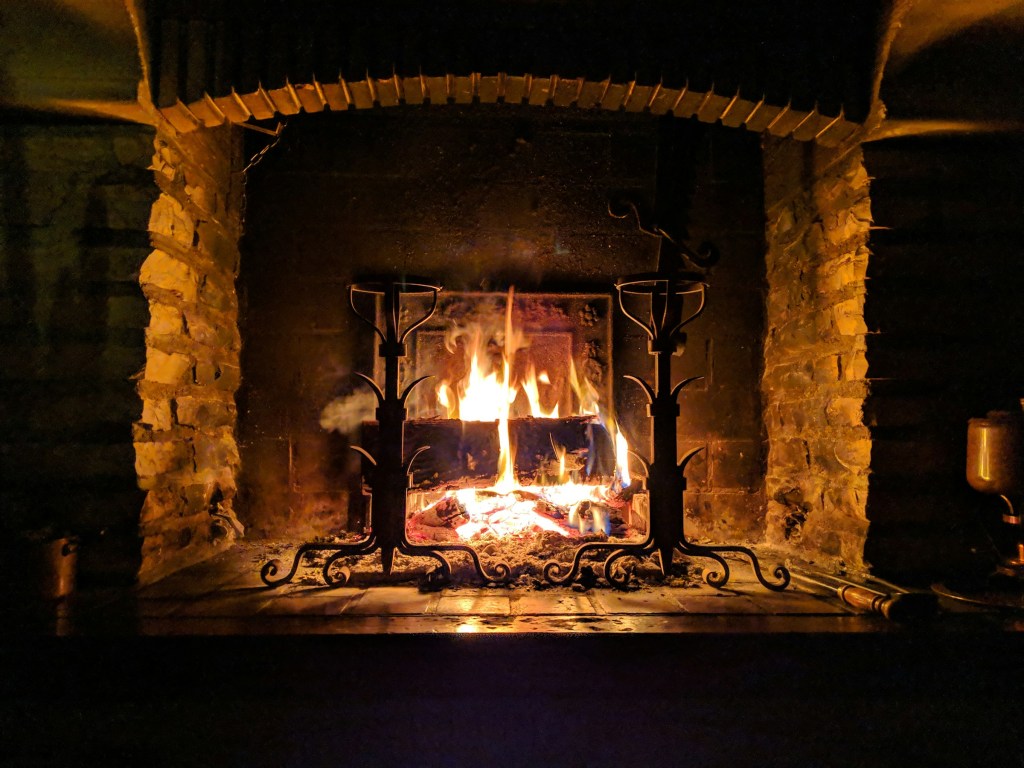
The act of leaving is not grand, nor glamorous. It is small, deliberate, inconvenient. It is tending a hearth instead of a pyre. It is walking out of the temple knowing the gods will rage, and choosing still to keep your fire.
We are not built to burn forever. There must be something left to warm with.
Not every fire must consume. Some can refine. But first, we must stop throwing ourselves to the blaze.
The Ashes Speak
Dawn again. The temple is older now, and so am I.
The rains have come and gone. The fields are green. The gods have kept their bargain, or so it seems. The drums sound familiar, but slower. The chants rise and fall with the weary rhythm of memory rather than devotion.
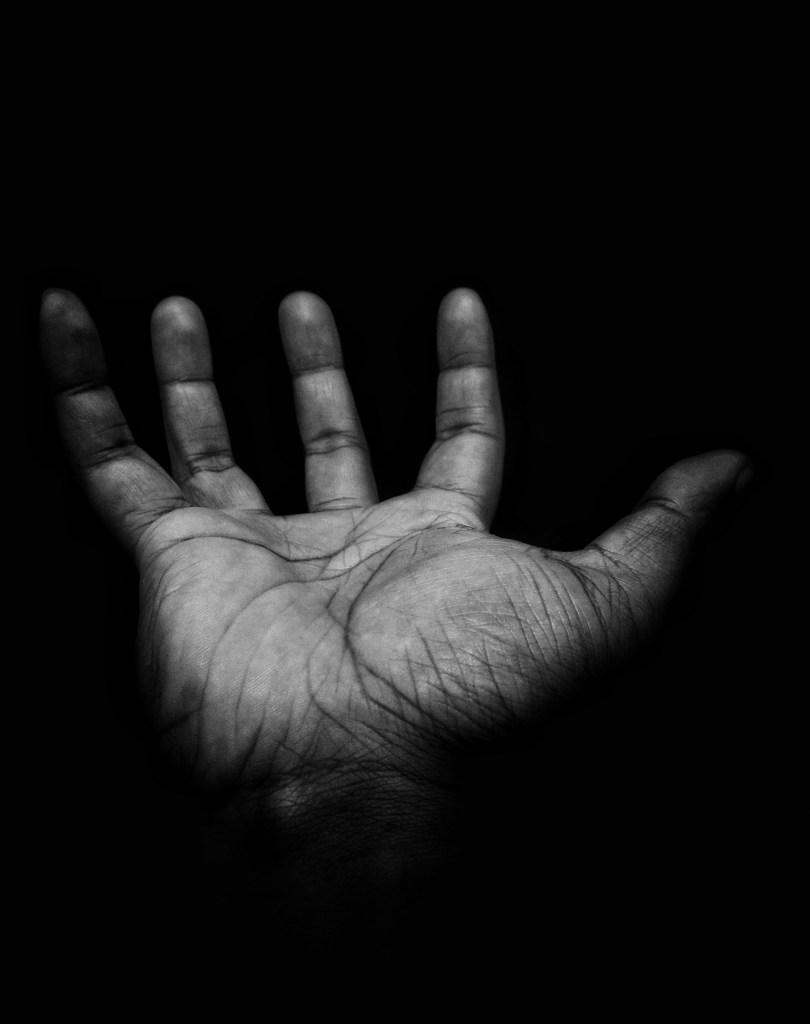
Today it is my hands that hold the blade.
My mentor kneels before me, his face calm, painted in ash and gold as mine once was. There is no fear in him, only the weight of knowing. He does not flinch when I raise the obsidian edge. He only watches me with the same eyes that once looked down through incense and dawn.
The blade feels heavier than I remember.
When it falls, the world breathes again, as it always has. The crowd exhales. The rains will come. The system will endure. But somewhere beneath the sacred rhythm, something inside me splinters. I understand now what he meant when he said the gods grow hungry when we doubt.
They do not fear our disbelief. They feed on our obedience. Each ritual, each repetition, each unthinking continuation of what was always done is another meal in their endless feast.
The heart burns cleanly. The fire consumes without question. But as the smoke rises, I no longer see faces in the flame. I see shapes of what might have been. Fields tended without blood, skies that weep without cost.
I feel the ache of every silence we mistook for peace, every act of faith that was only fear in ceremonial dress.
When the embers fade, I no longer join the chant. I left the blade on the altar when I left the temple. The city below glowed dimly, each home a small ember, the faint pulse of survivors who no longer scream to be seen. The gods of spectacle grow restless, starved for attention they can no longer command.
And somewhere, quietly, stubbornly, something better begins to take shape. Hearths are being built from the ash. Fires that do not consume but comfort. Light that no longer demands a sacrifice to shine.
The sky still breathes. The rains still come. But I no longer mistake their mercy for approval.
I know the gods will hunger again.
Let them.




Leave a comment