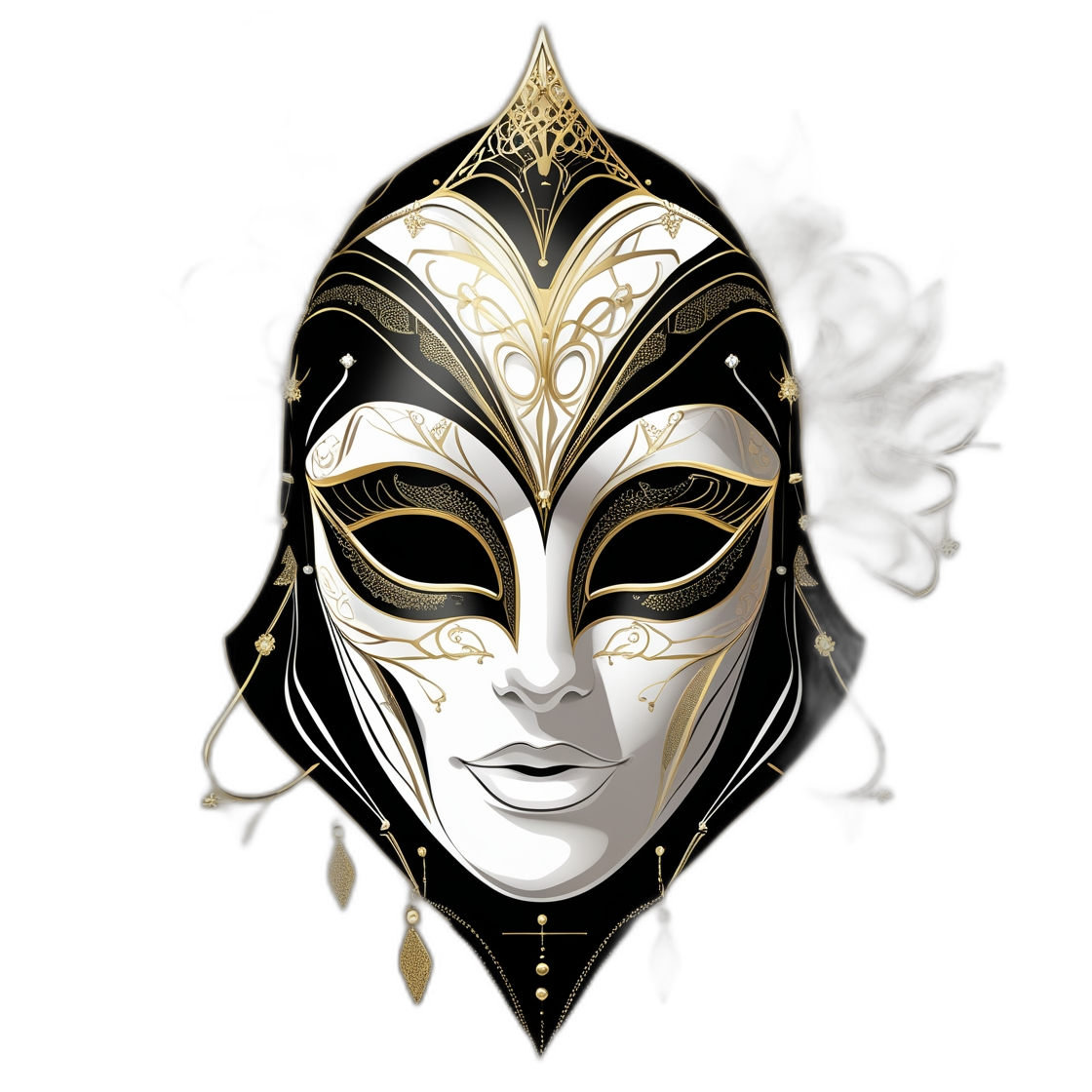
Photo by Carla Santiago on Unsplash
High in the ash branches of Yggdrasil, Odin hung himself.
Not by the hand of enemies, nor by the fall of fortune, but by his own deliberate act. Nine nights pierced through by his spear, his body swayed against the twilight of the world tree. He did not fight, nor feast, nor ride. He fasted, suspended between life and death, between action and nothingness. With his one good eye open to the void, he did not conquer.
He endured.
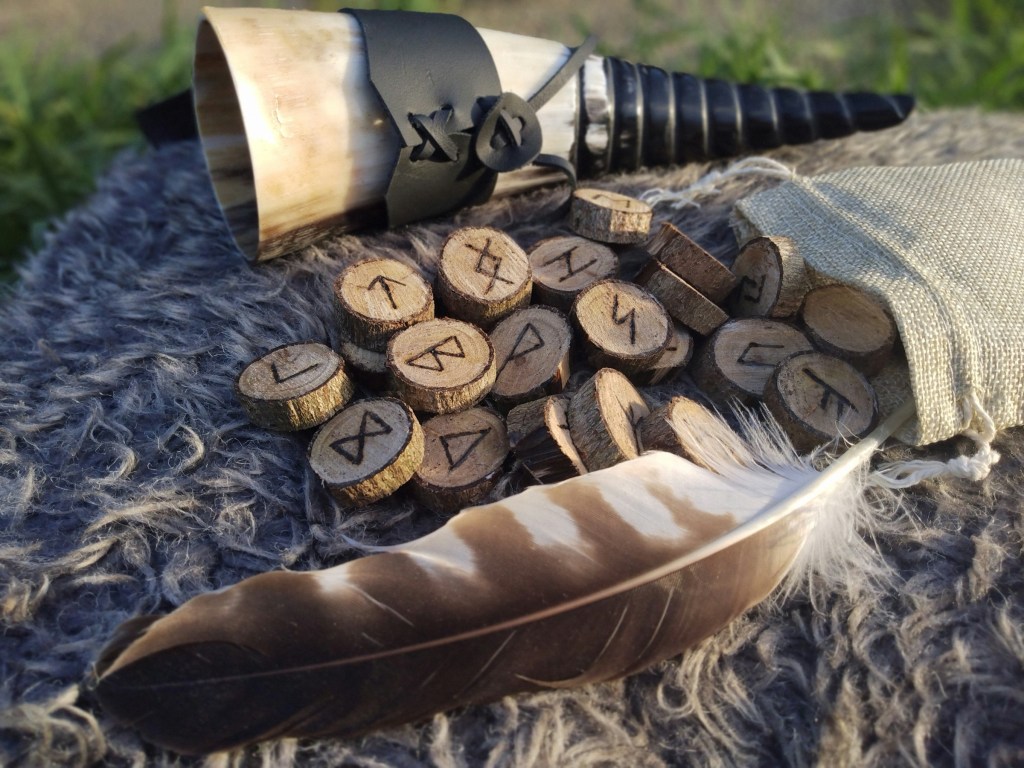
From that ordeal came the runes: symbols of power, language of fate. They were not wrested in battle, not seized with strength, not earned through conquest. They arrived in silence, in absence, in the long pause from all the striving of gods and men. What Odin could not gain through blood, he found in waiting; in the chosen stillness of restraint.
This is the paradox we so easily forget: stopping is not the opposite of discipline, but its hidden half. We inherit a world that confuses endurance with unbroken effort. We are taught that worth is measured in accumulation, that virtue lives in motion, that to pause is to fall behind. And so we press forward, measuring ourselves by what we can carry, mistaking exhaustion for proof of strength. But repetition without breath becomes compulsion. Effort without pause collapses into ruin. What was meant to preserve form begins instead to fracture it.
The body itself bears witness against this delusion. Muscles torn by strain grow only in recovery. Wounds knit not in battle, but in rest. Even the heart, tireless in its labor, moves in a rhythm of contraction and release, tension and pause. Deny one half, and life itself falters.
Yet the mind resists what the body knows. We mistrust stillness, we despise leisure, we fear what we might encounter when the noise dies down and silence remains.
Odin’s nine nights remind us that rest is no indulgence. It is ordeal. To stop when every instinct demands motion, to release control when fear insists it is the only safeguard—this is its own spear-piercing.
To rest is to trust that the world will not collapse in our absence, that time not filled is not wasted, and that silence can bear fruit.
The paradox is clear: only in stopping do we see what constant motion conceals. In Odin’s stillness came vision. In his chosen rest came wisdom. To endure without losing ourselves, we too must hang for a time in the quiet branches, pierced by restraint and awaiting what is given only to those who stop.
Discipline without rest corrodes. But rest, embraced as discipline, renews.
And in that renewal, like runes from the void, meaning emerges.
The Blade and the Pause
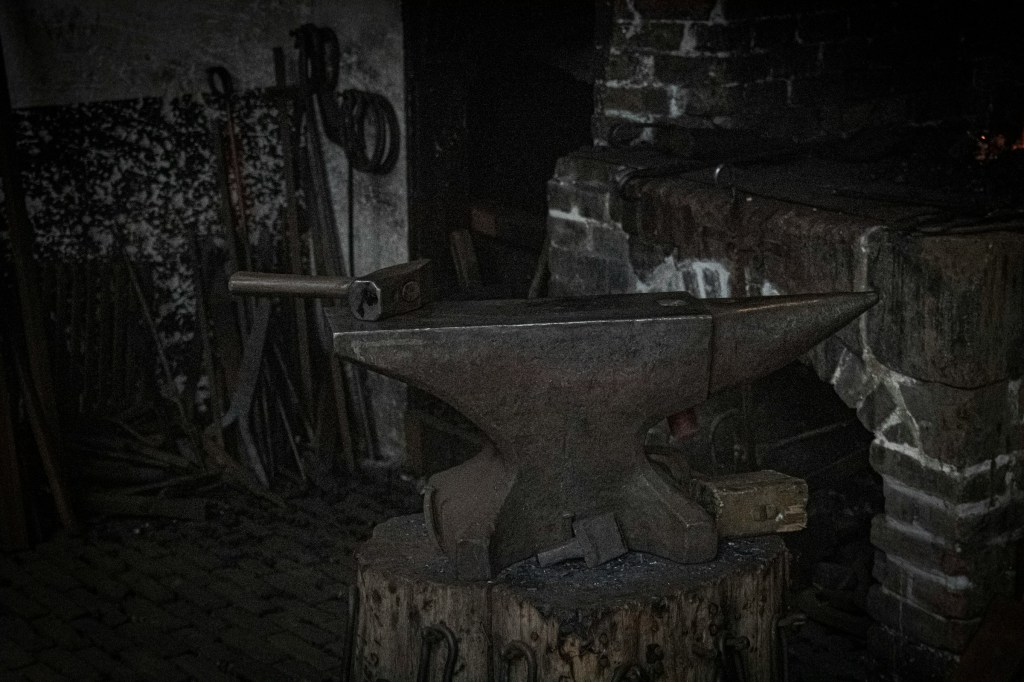
Discipline is often imagined as a blade. Sharp, honed, ready to cut through the tangle of chaos. With it we carve order from drift. Repetition and ritual become the whetstone: early mornings, deliberate practice, motion with intent. Like a sword drawn in steady hands, discipline brings clarity to the noise.
But every blade is double-edged. The same habits that give structure can harden into a cage. What begins as devotion becomes compulsion; what starts as focus sours into punishment. The blade meant to serve the hand begins to command it, until the wielder is carved down by their own edge.
The signs are familiar. Rest feels like betrayal. A missed day burns like failure. The pursuit of perfection outweighs joy. In that moment, discipline is no longer a tool we use but a weight we bear, sharpening itself against our own lives. What was once mastery becomes self-erasure disguised as effort. Burnout dresses itself in armor and calls the disguise resilience.
The tragedy is not just personal, it’s cultural. We inherit suspicion of the pause. We are taught that motion is moral, and stillness is weakness. That rest is indulgence, that ease is decay. For men in particular, worth has been shackled to output: to lift, to produce, to endure without faltering. Within that equation, rest is not only unnecessary; it is a liability.
And so we move until we break. We rationalize exhaustion. We feel guilty for leisure, anxious in silence, haunted by an invisible ledger keeping score against our worth. Even as the body pleads for pause, the mind insists that motion alone is safety.
But rhythm is never unbroken. Even the gods knew this: Odin did not seize wisdom through conquest, nor wrest it from an enemy’s hand. He hung pierced and still, waiting in silence. No warhorse, no battlefield—just the ache of restraint. It was inaction, not battle, that carved the runes.
We do not need to be gods to see the same truth. True discipline is not measured by ceaseless forward motion. It is measured by proportion; by knowing when to raise the blade, and when to sheath it. When to press forward, and when to lay down arms.
Without that balance, even our sharpest edge begins to turn inward. With it, with rest honored as discipline’s rightful half, the blade becomes what it was always meant to be: not a test of worth, but a tool for living.
Rest as Resistance, Rest as Renewal
To see rest as weakness is to misunderstand its power. Rest is not the absence of discipline but its necessary counterpart. In this light it becomes obvious that rest balances the rhythm without which effort collapses, the breath that keeps the body from breaking.
In a culture that exalts motion, rest itself becomes an act of defiance. To pause is to resist the creed that worth lives only in output. To refuse endless striving is to reject the cult of productivity that devours both strength and joy. In a world where exhaustion is paraded as virtue, rest is rebellion.
The ancients knew this truth. The Sabbath was not leisure tacked on to a week of labor; it was law. A sacred pause woven into time itself, commanding even the devout to cease and remember that ceaseless work is a kind of bondage. Stillness, made holy. Silence, made binding. The lesson was clear: without pause, toil consumes us.
Other traditions named it differently, but the wisdom was the same. The Stoics understood that labor must be balanced by retreat. Across myth and philosophy alike, rest, until recently, was never absence; it was generative space.
Yet in our age, this wisdom must be chosen against the current. Rest is not easy. It requires intention, even courage. To stop when the world praises speed is to court suspicion. To trust silence when every voice demands output is to risk seeming lazy, indulgent, unworthy. True rest demands a strength rarer than motion: the strength to release.
But endurance itself depends upon it. Muscles repair in recovery, not in strain. Minds clarify in stillness, not in noise. Hearts beat by contraction and release. The pause is what makes rhythm possible. Without it, repetition calcifies, turning discipline into compulsion, structure into cage. Without rest, the blade dulls, then breaks.
With rest, discipline breathes. It sharpens when needed, softens when wise, and endures because it can recover. Rest is preparation, renewal. It transforms survival into growth, motion into meaning.
To rest is to remember that stopping is not the end of the path. It is the turning point, the gathering of strength, the breath before the return.
The Quiet Threshold
Time set aside for cultivation is often mistaken for passivity. In truth, it is the labor of restraint—the discipline to shape strength without exhausting it, to prepare the ground so endurance can take root. Where the world demands pressure, cultivation demands proportion: effort balanced by pause, force tempered so it does not destroy what it seeks to sustain.
Cultivation listens before it acts. It allows silence to reveal what noise conceals, and leisure to exist without guilt, like soil left fallow to restore its power. It gathers strength in stillness, the way breath gathers before the climb, the way seed gathers its hidden force before breaking the earth.
This pause is the hidden half of endurance. Without it, strength corrodes into compulsion, and effort devours itself. With it, discipline is guarded, sharpened, and kept whole. Cultivation prevents the will from hardening into violence against the self. It ensures not only that we endure, but that we endure well.
When rest is understood in this way, it ceases to look like indulgence. It becomes the threshold of return: the careful pacing before the sprint, the silence that clears the vision, the stillness before harvest.
Even myth remembered this truth. Achilles carried this lesson on his shield: images of hearth, harvest, and dance set beside war, reminders that endurance draws meaning not from struggle alone but from the life it protects. To cultivate is to tend both the field of battle and the field of being.
Without repose, every labor consumes itself. With cultivation, effort aligns and renews. To rest is to allow that silence can bear fruit, that creation begins in cessation, that continuity is forged not only in striving but in intervals of grace.
Rest is what separates cultivation and care from extraction and depletion. It becomes the quiet threshold where strength gathers, where wisdom takes root, and where the return begins.
The Hardest Discipline
Odin’s nine nights remind us that endurance is not always forward motion. Sometimes the sharpest trial is release, to choose to let go when instinct demands grasping, and to stand still when the world urges us to move. His ordeal was no conquest, but a surrender chosen and endured. Wisdom came not in battle, but in the silence that followed.
This is the lesson buried in every story of striving: rest is the virtue that sustains the others. Without pause, integrity frays, honesty is drowned in noise, momentum collapses into exhaustion, even justice erodes under unbroken strain. Every strength requires its counterpoint. Every rhythm depends on its silence.
That is why true rest feels so perilous. It asks for trust that the world will not fall apart in our absence, trust that worth is not measured by constant proof, trust that what grows in silence will endure. Rest is not the end of effort. It is what makes effort whole.
So let this be the charge: labor fiercely, but release willingly. Do not mistake unbroken motion for mastery. Let stillness be practice, the pause discipline, the silence the hidden half of wisdom.
For only in that hardest discipline… when we dare to hang in stillness, pierced yet unbroken… do we find the runes that motion could never carve.



Leave a comment