

Author’s Note
This post begins a new series—one that steps away from systems and toward the souls who navigate them.
The “Tools” series traced the architecture of influence: money, myth, measurement. But scaffolding is only part of the structure. This series explores the values that anchor it—or fail to. Not principles etched in slogans or laminated for workshops, but virtues lived at personal cost. The ones that bend only to truth, even when truth burns.
We start with integrity.
Not the version stitched onto résumés, but the kind that bleeds. That costs. That refuses, even when refusal invites ruin. Tyr, Diogenes, Frankl—each held the line in a different age, each paid differently. But all understood the same truth: you are not what you say, or even what you believe. You are what you refuse to sell.
The line you draw in the grand design of who you are, which forever limits your options and defines your path, regardless of the opportunities awaiting on the other side.
This isn’t a guide. It’s a record of impact points—where values meet power, and either hold or splinter. If you’re looking for comfort or gentle platitudes, this series will fail you. But if you’ve ever felt the silent shift in a room when you choose not to bend, you already know the direction it points.
Walk it anyway.
~Dom
No songs echo for Tyr.
While Thor drums thunder into sagas and Odin knots riddles in the wind, Tyr stands in the hush between verses—a god whose strength is measured not in volume but in verdict. His courage whispers where others roar: the voice that speaks last, the hand that moves first, the heart that pays whatever fee honor demands.
When Asgard raised the wolf Fenrir, they were fattening a prophecy. The pup napped by their hearth, sparring with shield‑maidens, yet every laugh trembled under the doom foretold. To out‑wit fate the gods spun Gleipnir, a ribbon braided from impossibilities—the breath of a fish, the beard of a woman, the footfall of a cat—then sweetened the trap with lies. “A contest of strength,” they promised the wolf, “unbind yourself and earn freedom.”
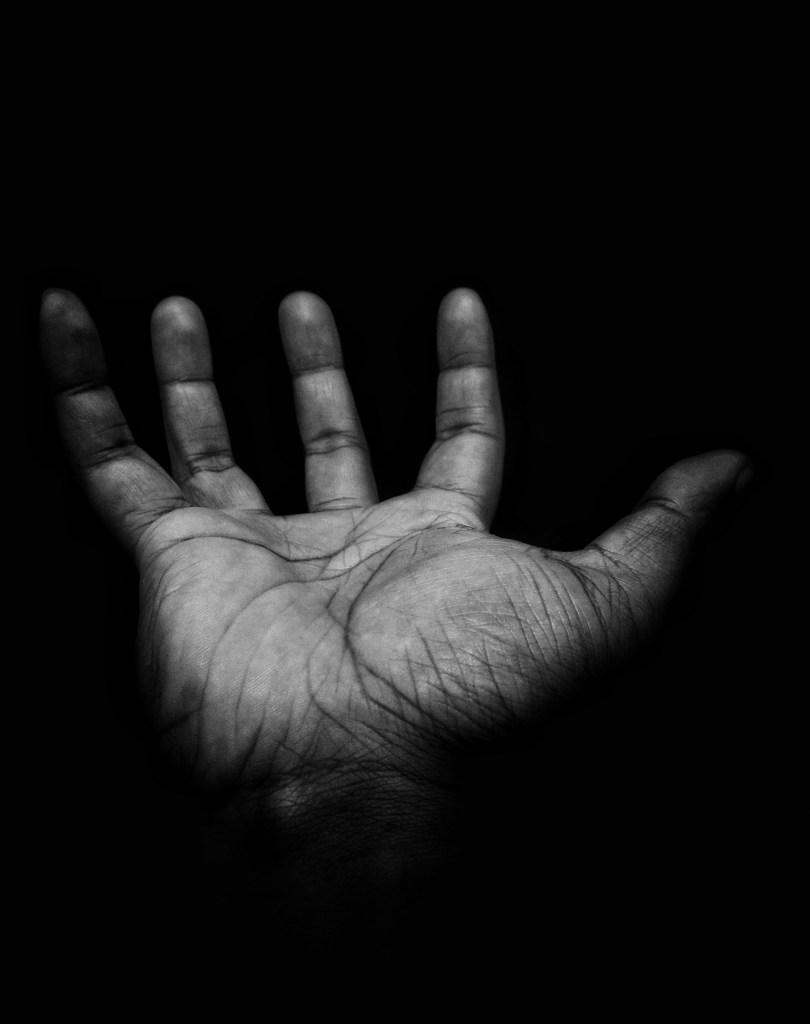
Fenrir had tasted too many broken oaths to swallow one more. He demanded collateral. If the game were innocent, let a god wager a hand. Tyr, who loved the beast yet loved truth more, offered the right arm that steered his sword. He knew the moment the fetter tightened his own flesh would pay the debt. He gave it anyway.
As Gleipnir cinched and the lie split open, Fenrir’s jaws slammed shut like iron doors. Tyr did not plead. He did not curse the heavens. Integrity, once chosen, is a price already paid in the choosing.
There are no ballads, no great feast days, but the silence around his name rings like bronze.
Centuries later, in a world that had traded myths for markets, a lantern bobbed through midday glare. Diogenes of Sinope lifted its flame above the crowd and announced, “I seek an honest man.” The philosopher was not searching; he was indicting. He slept in a cask, ate with stray dogs, and heckled emperors for sport.
Wealth, office, decorum—he treated them all as stage props for hypocrisy. Virtue, he argued, must be portable enough to carry naked.
When Alexander the Great travelled to meet the barrel‑dweller—king of kings greeting a beggar—he offered any reward within his empire’s reach. Diogenes barely turned his head. “Stand aside,” he said. “You are blocking the sun.” A man who needs nothing cannot be conquered.
They stood in different storms, but neither sought shelter at the cost of self.
Different ages, opposite worlds: one god bleeding into snow, one skeptic laughing in dust. Neither won a throne; neither made peace with power. What binds them is the same unmoving core: a refusal to mortgage truth for comfort.
Integrity is the stern refusal to trade pieces of oneself, even when the system offers glory for the bargain. It is the steady center that remains after threat, after temptation, after every polished lie tries to press you out of shape. It draws no chorus. It wears no crown. But like an unbreakable spoke, it holds the wheel while everything around it spins.
Real integrity doesn’t always mean losing a limb or toppling a throne. Sometimes it’s quietly correcting the boss in a meeting when no one else will. Sometimes it’s refusing to laugh along at the joke that crosses a line.
Sometimes it’s saying no to a shortcut that everyone else takes because you know what it would cost you, even if no one else ever sees it. These moments aren’t smaller—they’re just closer. Integrity scales down to fit the hour, the room, the paycheck. It is not reserved for legends.
It lives in the mundane and the manageable, in a dozen quiet refusals that shape who you are long before anyone else notices.
Recommended Listening:
The Imitation of Integrity
We are taught to value integrity—but often only the kind that fits inside a frame.
In school assemblies and corporate retreats, it arrives prepackaged: Integrity is following the rules. It’s telling the truth. It’s doing the right thing when someone is watching. It’s a soft virtue, sterilized and laminated, easier to pin on a mission statement than to live.
We’re told integrity is when the cashier returns a lost wallet, when the student confesses to a mistake, when the employee doesn’t fudge the numbers. These moments matter, yes—but they are low-risk, low-cost, and deeply palatable. They do not threaten the system that praises them.
Because the truth is: most institutions do not reward integrity. They reward loyalty dressed in its clothes. Compliance painted to look like conviction. A smile that says, “I agree,” even when the soul beneath it doesn’t.
This is the kind of integrity that gets applause. The kind that obeys quietly, that speaks up only when it’s convenient, that never jeopardizes its own position. It’s a curated moral image—a version of virtue that makes no one uncomfortable.
But real integrity? The kind that loses you friends. The kind that costs you jobs. The kind that gets you exiled or ignored or quietly removed from the room?
That version is rarely printed on posters.
Because real integrity doesn’t fit the mold. It doesn’t ask for permission. It doesn’t flatter the lie to preserve its place inside the system.
And when it’s present—truly present—it makes the people who traded pieces of themselves to get ahead feel seen, and often, ashamed.
The Demolition
Picture the polished politician who weeps on stage—his voice cracking under the weight of his confession. A long career built on exploitation, corrupt deals sealed with handshakes in backrooms, suddenly crowned with tearful regret just months before death or days before deposition—in their mind not much different. Not out of justice. Not out of courage. But because mortality or the looming consequences finally made truth cheaper than denial.
This is not integrity. It’s the cleanup crew of a collapsing façade.
Now picture a thief—mud on his boots, wanted by every law of man, feeding the poor from the coffers of the corrupt. Robin Hood, they called him. Outlaw. Criminal. And yet—he risks limb and liberty not for glory, not for applause, but because he refuses to call justice the thing the lords have named it. He breaks rules to keep the world, and his people, from breaking. This, by every measure of the system, is dishonor. But by every measure of the soul, it is clean.
Consider the elderly woman, long revered for her upstanding church attendance, who on her deathbed cries for forgiveness—not for kindness undone, but for decades of silence. She stood idle while others were hurt, having long chosen comfort in complicity over inconvenient morality. Voted for cruelty so long as it promised safety and security for people like her. Taught her children to obey while the world burned outside their bubble. Now, too late, she whispers truths she never dared speak aloud. This is not redemption. It’s decay.
And contrast that with the quiet worker who walks away from a high-paying job after uncovering lies in the ledgers—knowing they will not be celebrated, knowing the system will close ranks and erase their name from the record. Still, they leave. Not because anyone will thank them, but because staying would be a kind of rot. That’s integrity.
Integrity doesn’t parade. It doesn’t wait until the fallout is irreversible to dress itself in repentance. It doesn’t show up late to the scene, wearing clean clothes and hoping no one notices the blood is gone.
It acts in the moment when truth demands something painful. And it pays up front.
The world may never recognize it. But the soul does.
And that is who it’s for.
The Shape of the Real
Real integrity is not soft. It is not marketable. It does not come with applause.
It is Marcus Aurelius writing to himself in the margins of power, reminding the future emperor not to become what the throne demands. It is Viktor Frankl in Auschwitz, holding meaning in his hands like flame against the dark. It is Harriet Tubman returning again and again into danger—not for strategy or legacy, but because leaving others behind was a violence she could not bear.
We know these names. We elevate the icons. We quote the words and canonize the struggle. We idolize the emperor who led Rome through plague. We recognize the faded numbers tattooed on flesh. We echo the songs once born in chains and cotton, now softened into jazz and soul. We love the drama. We stage the struggle. But when it turns toward us—when it asks for something—we flinch. We praise the product because we cannot bear to look at the price.
We love the monk’s silence until it implicates our comfort. We admire the parent who breaks tradition—so long as they don’t sit across from us at dinner. We write scripts for the child who steps between cruelty and silence, but we do not offer them protection when they fall. We mourn the whistleblower after the fallout, but we fire them first.
This is how we commodify integrity: not by honoring it, but by packaging it. Stripping it of consequence. Trimming it to fit.
But real integrity is not pure. It is not clean. It is not perfect.
It is weathered. Scarred. Tempered. It carries the soot of bridges burned for good reason.
It is Epictetus, once enslaved, teaching that freedom begins where coercion ends. It is Kant, demanding that right be done not for reward, but because it is right. It is the Taoist walking the quiet way, untouched by spectacle, invisible to applause.
Integrity is not heroic in the moment. It is often mistaken for arrogance, extremism, stubbornness, even madness.
But it endures. And it leaves a shape behind. Not a monument. Not a slogan. A path for those who choose to follow.
The Weight and the Way
You will not be praised for it. You might even be mocked for it. (Usually by people who’ve never had to choose.)
That’s the first thing to understand. Integrity, if lived fully, will cost you many things. Among them will be comfort, status, opportunity. It will alienate you from those who confuse kindness with compliance, loyalty with silence, success with surrender.
You will be asked to explain yourself to people who never had to explain their betrayal. You will be called difficult, arrogant, ungrateful—sometimes by those who once admired you most.
And yet—if you carry it well, if you learn to recognize the subtle war between what is easy and what is true, something else emerges.
A stillness. A spine.
The kind of presence that can’t be bought or borrowed. The kind that lets you sleep at night. The kind that leaves a trail others don’t see until they’re strong enough to follow it. You’ll know you’re on it not when people cheer, but when you feel the silence stretch—and you don’t flinch.
You’ll know it when the lie is offered gently, wrapped in gold and good reasons—and you still say no. You’ll know it when you walk away from the table, the job, the tribe, and no one follows—and you walk anyway.
Integrity isn’t a commandment. It’s a choice. Made again and again, not because it’s easy, but because, at some point, nothing else will let you stay whole. And if that choice costs you the world?
So be it.
Because better to stand alone in your truth than to live surrounded by everything that required you to leave yourself behind.
The Echo of Their Sacrifice
Tyr did not keep his hand. Diogenes did not keep his comfort. Neither kept their place in the systems they defied. But what they kept—what they gave—was a shape in the dark that others could follow.
Tyr’s sacrifice lives in every oath kept under pressure, every promise held without applause. He is the echo in the courtroom where justice is done quietly, without spectacle. He is the patron saint of those who pay the cost no one sees—and never ask for it back.
Diogenes lives in every voice that calls a polished lie what it is. In the whistleblower. The protester. The awkward silence at the dinner table when someone says, “That’s just how the world works,” and someone else finally says, “It shouldn’t.”
Neither lived to see the world changed. Neither was thanked. But every time someone chooses truth over convenience, substance over show, alignment over applause—they walk a path cleared by hands long gone.
We don’t honor them with statues. We honor them when we refuse to become what they stood against. And we continue what they began—not with sermons or songs, but with every quiet act that says:
I will not lie. I will not flinch. I will not trade pieces of my soul for comfort.
Not now. Not ever.







Leave a comment