

It’s the end of a long, punishing day. You shut your laptop, eyes stinging from the glare, a headache pulsing in your temples. The world has been tugging at you from every direction—clients, bosses, coworkers, family, social media, news alerts. And so you retreat to the bathroom, following the script for modern relief: a $60 lavender-vanilla candle flickers on the edge of the tub, the steam rises gently, and a luxurious face mask clings coolly to your skin.
This is what we’ve been told self-care looks like, that this fleeting moment of relaxation can somehow wash away your stress and replenish your soul. But as you settle into the water, you can’t help noticing the same ache inside remains. Yes, the warmth is comforting, but it doesn’t erase the dread of returning to the same demands, the same unrewarding grind, tomorrow. So you ask yourself: Is this actually helping, or am I just following a script written by someone trying to sell me the next “must-have” for my mental health?
The trouble is, we’re living in a culture that tells us a scented candle and a bubble bath can solve every level of anxiety, burnout, and frustration. And when these rituals fail to fix the underlying issues—inequitable workplaces, constant digital bombardment, broken social structures—who do we blame? Often, we blame ourselves. We wonder if we’re not doing self-care “right” or if we simply lack the discipline to believe in its power. Meanwhile, the system that produced our exhaustion marches on, unexamined and unthreatened.
Recommended Listening:
The Rise of Ritual
Walk through any department store, and you’ll find rows of pastel-packaged bath bombs, meticulously labeled skincare kits, crystal-infused water bottles, and mindfulness journals. Scroll through social media, and you’ll see it all over again—this time, arranged in perfect flat-lays or boomerangs, accompanied by hashtags like #SelfCareSunday or #TreatYourself. These products promise serenity, balance, and relief. They claim to be tools for self-renewal, but more often than not, they serve as cleverly disguised advertisements for more consumption.
In our hyperconnected world, the line between a genuine self-care ritual and a marketing pitch has become dangerously blurred. We watch influencers lighting expensive candles, touting them as the key to mental clarity. We’re told a specific brand of bubble bath is a “game-changer.” Before long, self-care becomes less about caring for ourselves and more about capturing the look of well-being—a performance we share online for validation or, ironically, to prove to ourselves that we’re at least trying to cope.
And here’s the catch: ritual isn’t inherently bad. Human beings have practiced ritual for millennia to mark transitions and to seek meaning. But the version we see now—ritual without reflection—amounts to little more than a commercial break in the unrelenting broadcast of our daily stresses. It’s a pretty distraction that lets us pretend we’re taking care of ourselves while skirting the uncomfortable reality: the problems that exhaust us are rooted in systems we can’t fix by shopping for candles.
Treating the Symptom
Imagine popping a painkiller every day for tension headaches but never adjusting your posture or examining why you’re so stressed that your shoulders stay locked at your ears. That’s what modern self-care often looks like—treating symptoms without ever addressing the disease.
The Toxic Job
If your workplace is soul-crushing and your boss ignores boundaries, a massage might relieve the knots in your neck for a moment. But it won’t change the fact that you’re undervalued and overworked. By Monday, you’re back to the same unrealistic deadlines, hollow team lunches, and the dread of never being “caught up.”
The Loneliness
If you’re feeling a yawning sense of loneliness, taking yourself out to a solo brunch might be a pleasant treat. But it doesn’t replace deeper connection or intimacy with friends, partners, or a supportive community. The coffee is hot, the eggs are perfect, but the underlying ache remains.
We see this dynamic everywhere in late-stage capitalism. Why do the hard work of changing societal conditions—improving labor laws, redesigning work-life balance, fostering genuine community—when we can sell “bandages” for psychological wounds? These bandages are colorful, scented, and easy to market. But they let us continue the same lifestyle that created our burnout in the first place. And when they fall short—when the bath bomb fails to vanquish your anxiety—you might assume the fault lies within you, not with a culture that treats human beings like endlessly productive machines.
The Placebo Effect of Affirmation
Stroll down the beauty aisle, and you’ll find lotions with labels proclaiming, “You are enough,” or sweatshirts that scream, “Boundaries, please!” They’re marketed as empowering, suggesting you can buy your way into self-worth. The packaging is alluring, the quotes uplifting. But has buying a product ever truly been a substitute for therapy, genuine boundary-setting, or deeper introspection?
These branded affirmations can work much like a placebo: they give a quick rush of optimism and hope. Sure, you might feel a little boost each morning when you see “You got this!” splashed across your coffee mug. But placebos only work so long as you truly believe in them. And when your boss sends you another midnight email or you realize you’ve spent yet another weekend feeling isolated, the placebo’s power dissolves. What’s left is the stark truth that a slogan can’t fix a fractured life—nor can it fix a system that all but demands your unending availability.
Worse yet, these manufactured affirmations perpetuate a cruel irony: if the product doesn’t help, perhaps you’re the problem for “not believing hard enough.” It’s a subtle form of blame-shifting that keeps us from questioning the context: the relentless schedules, the non-stop digital chatter, the precarious gig economy. After all, if the candle or the lotion could solve your troubles, there’d be no need to overhaul a society hooked on endless growth and consumption. By selling us these bandages, the system casts our inability to heal ourselves overnight as a personal failing rather than an indictment of the culture that harmed us in the first place.
The Silence Between Rituals
The real test of these self-care performances comes in the silence afterward. The bath is drained, the candle is snuffed out, the face mask is rinsed off. Now you’re alone, staring at your own reflection, feeling that knot in your stomach tighten again. Perhaps you even wonder, “What am I doing wrong? I followed the routine, but my anxiety is still here.”
The truth is, some discomfort can’t be smoothed away by bath salts. Some stress can’t be purified by the fumes of a lavender candle. True healing often starts in those uneasy moments—moments we’re encouraged to dodge by buying more quick fixes, feeding a loop of consumerism that capitalizes on our desperation to feel better. But in those echoes of silence, you might hear the faint whisper of questions you’ve been avoiding:
- Why am I allowing a job to violate all my boundaries?
- Why do I feel so disconnected from the people around me?
- Why do I numb myself instead of confronting what’s hurting me?
These are the uncomfortable truths that corporations can’t package in a serum or a supplement. And if we don’t engage with them, we may never break the cycle that keeps us scrambling for short-term solace in products that profit others while leaving our core wounds untouched.
What Real Self-Care Could Be
Stepping off the treadmill of performative self-care doesn’t mean you can’t enjoy a bath or a scented candle. It means recognizing those things for what they are: a brief respite, not the solution. Real self-care challenges us to confront the deeper dynamics that keep us anxious, burnt out, or dissatisfied.
1. Refuse to Blame Yourself Alone
Stop accepting the narrative that you’re flawed if a “self-care routine” doesn’t solve your chronic stress. Maybe the real flaw is in a workplace culture that expects 24/7 availability or a social system that leaves you without adequate community support. If the candle doesn’t “work,” that doesn’t mean you failed—it might mean the entire setup is failing you.
2. Trade ‘Treats’ for Truths
Instead of reaching for immediate treats every time you feel exhaustion creeping in, ask if you can make a structural change. Do you need to speak with HR, or step away from a job that’s eroding your mental health? Do you need to have a frank conversation with a loved one? Choosing truth over temporary distraction might be painful in the short term, but it’s one of the few paths to real change.
3. Value the Invisible Work
Setting boundaries, quitting toxic relationships or jobs, or confronting deep-rooted trauma through therapy—these aren’t “cool” or photogenic, but they’re often the heartbeat of genuine self-care. They don’t translate easily into Instagram posts because they happen in private, messy spaces. Yet they yield far more lasting relief than the prettiest bath bomb ever could.
4. Embrace the Unmarketable
Understand that capitalism can’t sell you the most crucial forms of self-care. You can’t buy a product that teaches you to say “no” when your plate is too full or that helps you cultivate a community of friends who actually show up. These require action, bravery, and sometimes making choices that go against the grain of relentless consumer culture.
The Hard Questions Behind the Flame
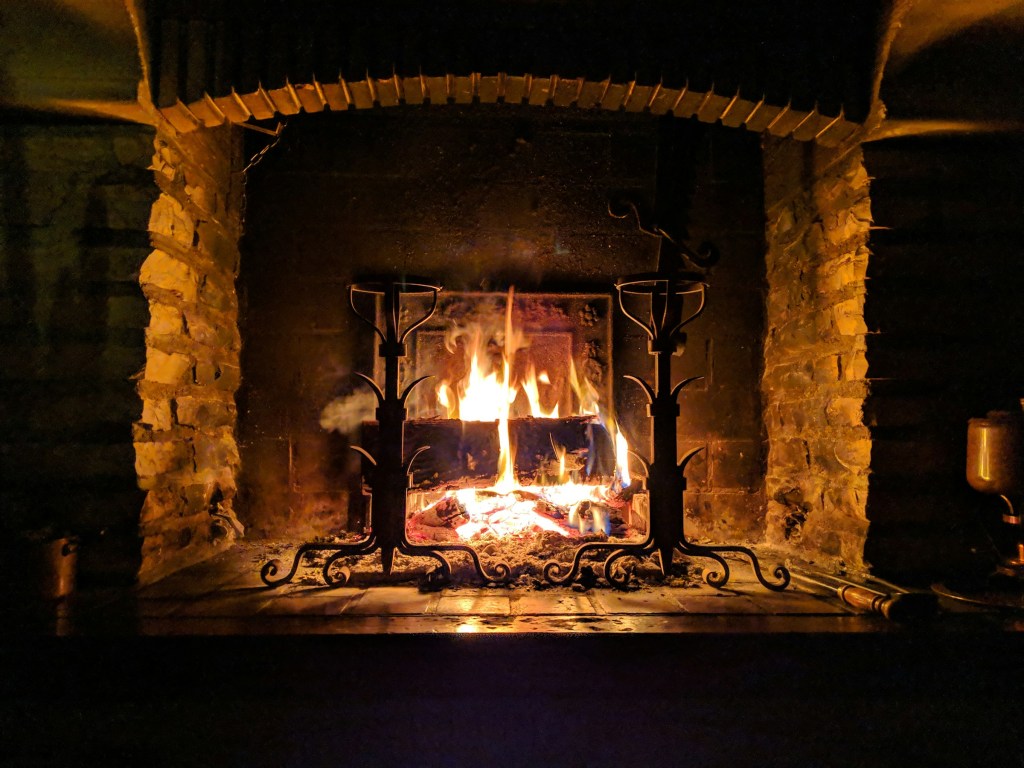
Yes, the candle still burns. You can light it tonight and enjoy the faint glow it casts on the tiles. A little comfort doesn’t hurt—but comfort alone won’t disrupt the status quo. And maybe that’s the point. If you can find just enough relief in these rituals to keep going, to keep producing, to keep consuming, why would the system ever change?
So ask yourself: Why do we treat these “self-care” rituals as cure-alls for problems that are structural, cultural, and often beyond individual control? Could it be that selling you the idea of a quick fix helps maintain the very lifestyle that burns you out in the first place? And when the bath and the candle inevitably fall short, why do we so readily conclude that we’re the failures, rather than seeing a wider pattern that benefits from our perpetual exhaustion?
Self-care should not be about preserving the status quo at the cost of our well-being. It should be the clarion call that our lives, our work, and our societies need adjusting—and that we deserve better than a perfumed distraction. By all means, enjoy the bath if it brings you a moment of peace. But don’t let the performance end there. Demand more than temporary relief. Seek a world where we no longer need expensive candles to survive our own lives. That might mean reimagining work cultures, forging stronger community ties, or confronting the forces that profit from our constant fatigue.
Ultimately, the candle may calm you for an hour, but it can’t fix the forces that churn anxiety through your veins day after day. That reckoning lies in the dim quiet after the flame flickers out—when you allow yourself to see that maybe, just maybe, you’re not the problem at all. Your despair or frustration might be perfectly logical responses to a system that offers sweet-smelling escapes instead of meaningful solutions.
That realization could be the spark that truly changes something—and it won’t come from an act of self care – it’ll be built on foundations of self respect.









Leave a comment