

A Moment of Discovery
Have you ever found yourself so consumed by a single concept that it shapes the way you see the world? I found myself in exactly that state one evening, sitting on the cold concrete floor of a basement after Tae Kwon Do practice. The concrete pressed relentlessly against my thighs, and the coarse grain of the material matched the impressions on my skin after what felt like an eternity of stillness. My body was nearly forgotten, yet my mind was fully engaged—lost in a meticulous review of the day’s sparring and forms.
At first, it was simply visualization—an essential mental exercise for martial artists. But somewhere between rethinking the snap of each kick and the precision of each stance, I realized that my thoughts kept returning to one idea: Control.
Recommended Listening:
Discovering Fluidity in Martial Arts
In recent weeks, our traditional Tae Kwon Do school’s demo team had been training for a special event. Instead of our usual hours of fundamentals and conditioning, we were introduced to acrobatics, reflex kicks, and the transitions between forms. The rigid, step-by-step progression of basic techniques melted into a seamless flow. What captivated me most was the harmony between technique and instinct: how a meticulously controlled movement could, in the next moment, become fluid and reactive.
It was a paradox in action: discipline breeding spontaneity, structure enabling freedom. One moment we were drilling exact angles and alignment; the next, we were dancing with explosive freedom. Imagine the fluid pivot of a tornado kick: winding up, tightening into the spin, ascending through the air with every muscle coiled, until all that momentum and focus is channeled into the strike. Time seems to freeze in that instant—the universe going silent—before you unleash the full force of your leg against a target. It’s intoxicating to feel such power balanced on the razor’s edge of control.
But it wasn’t just the thrill of the movement itself that stayed with me. As I sat in after-class meditation, my thoughts lingering on every detail, I recognized that control was more than a technique or an athletic skill. It was something I craved, something deeply intertwined with my existence.
Why Control Matters
In that quiet space, as my heart rate slowed and the hum of fluorescent lights buzzed overhead, the word “Control” surfaced in my mind. It wasn’t a new idea—my entire life had quietly revolved around the desire to shape outcomes, to master my body, to anticipate challenges. Yet in that moment, the concept crystallized into a personal ideal. Control, for me, was the thin line separating stability from absolute chaos.
For some, “control” may suggest rigidity or obsession. But the truth is that real control begins with self-mastery: it is about focusing on what you can shape, while gracefully adapting to what you cannot.
That moment of realization wasn’t the end of my journey with control—it was the beginning. I sought out others who had grappled with this idea, and in their words, I found a deeper understanding.
Timeless Lessons on Control
1. Marcus Aurelius (Stoicism and Self-Mastery)
Marcus Aurelius, the Stoic philosopher and Roman Emperor, taught me the importance of focusing only on what is within my sphere of influence. In his Meditations, he reminds us that external events—whether they be the weather, other people’s opinions, or unexpected obstacles—are largely out of our hands. What remains fully ours is our reaction, our interpretation, and our choices. This Stoic view emphasized that self-control lies at the heart of any real influence we hope to have.
2. Miyamoto Musashi (Discipline and Adaptability)
Miyamoto Musashi, the legendary samurai, spoke of strategy and precision in The Book of Five Rings. He highlighted that mastery of any skill depends on disciplined practice combined with the flexibility to adapt in the heat of the moment. The fluid pivots we practice in Tae Kwon Do echo Musashi’s insistence on blending unwavering intent with responsiveness. True control, therefore, is not simply about rigidity in technique, but also about meeting unpredictability with a composed mind and well-honed reflexes.
3. Sun Tzu (Influence and Subtlety)
In The Art of War, Sun Tzu showed me how control extends beyond ourselves and into the environment around us. He spoke of shaping the battlefield—of using perception, strategy, and deception to guide outcomes without brute force. Whether in martial arts, business, or personal relationships, this idea of subtle influence means we can steer events without dominating them. It’s a lesson in how control can be soft rather than hard, more about creating fertile conditions for success than about forcing a result.
Applying Control to Everyday Life
If you’re wondering how these ancient insights translate beyond martial arts, consider the daily “battlefields” you navigate—your job, your home, or your relationships. Control shows up in countless ways:
- Decision-Making: Are you overly reactive to external circumstances? Practicing self-restraint, planning, and patience can help you maintain agency instead of simply responding to what’s thrown at you.
- Communication: Controlling your tone, pacing, and word choice can shift the outcome of difficult conversations. Influence is often subtle—knowing when to speak, when to pause, and when to listen is a powerful form of control.
- Time Management: Setting realistic schedules and structuring your day effectively gives you the freedom to adapt when surprises arise—just like pivoting gracefully mid-kick.
- Personal Development: Cultivating discipline in one area of your life (like fitness or a hobby) can spill over into how you handle work deadlines or nurture relationships. Mastery in one domain often teaches you universal lessons about focus and resilience.
Practical Exercises and Reflections
To truly internalize the concept of control, consider trying a few of these exercises:
- Visualization Technique
- Close your eyes and mentally rehearse a challenging scenario—maybe a tense meeting at work, a creative project, or a martial arts form. Picture yourself executing each step perfectly, with calmness and precision. This mental walkthrough helps you identify pressure points and anticipate how you can adapt if things go off-script.
- Daily Control Check-In
- Set a reminder on your phone once or twice a day. When it goes off, pause briefly to ask: “What am I trying to control right now? Is it within my power, or am I fixating on something beyond my influence?” This encourages you to redirect your energy to what you can truly shape.
- Flexibility Challenges
- Whether in martial arts or a daily workout, practice a movement that challenges your balance and adaptability—like a pivot, a spin, or a simple lunge. Focus on the interplay between a firm foundation and the fluid movement that builds on it.
- Journaling Prompts
- Where in my life do I feel most rigid, and how could I introduce adaptability there?
- When am I most “in flow,” and what conditions produce that sense of ease?
- If I could relinquish control over just one external factor, what would it be and how might that reduce stress?
Conclusion: Embrace the Razor’s Edge
Control is a dance on the razor’s edge—a delicate interplay between mastery and surrender. In Tae Kwon Do, it might look like that perfect tornado kick suspended in midair, the rest of the world falling silent for just a breath. In everyday life, it’s manifested in the steadiness of our resolve, the flexibility of our approach, and the wisdom to differentiate what we can shape from what we must accept.
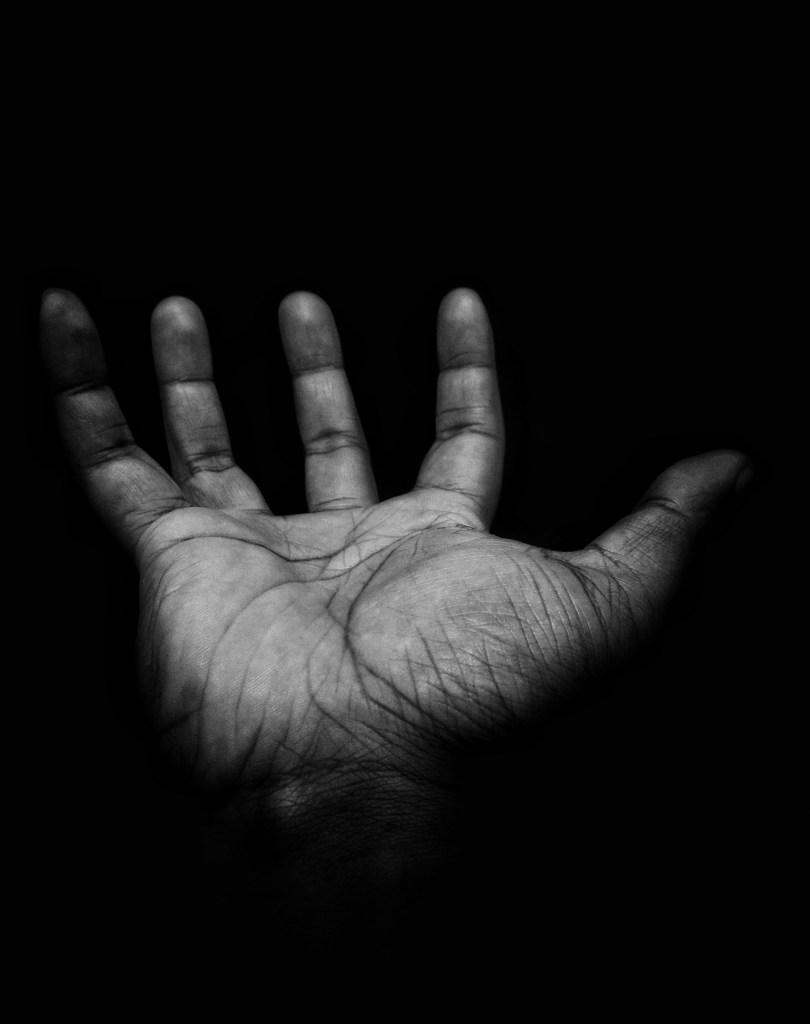
We often chase control as if it’s something we can hold in our hands, but true mastery reveals that control is as much about letting go at the right time as it is about tightening your grip. It arises from discipline—knowing your fundamentals—combined with the courage to adapt and pivot when the moment calls for it.
Control is a dance on the razor’s edge, a balance of mastery and surrender. Whether in the dojang launching a spinning kick or at work navigating a crucial decision, true control is knowing when to hold firm and when to let go.
Discipline grounds you; intuition guides you. That is the heart of control.










Leave a comment