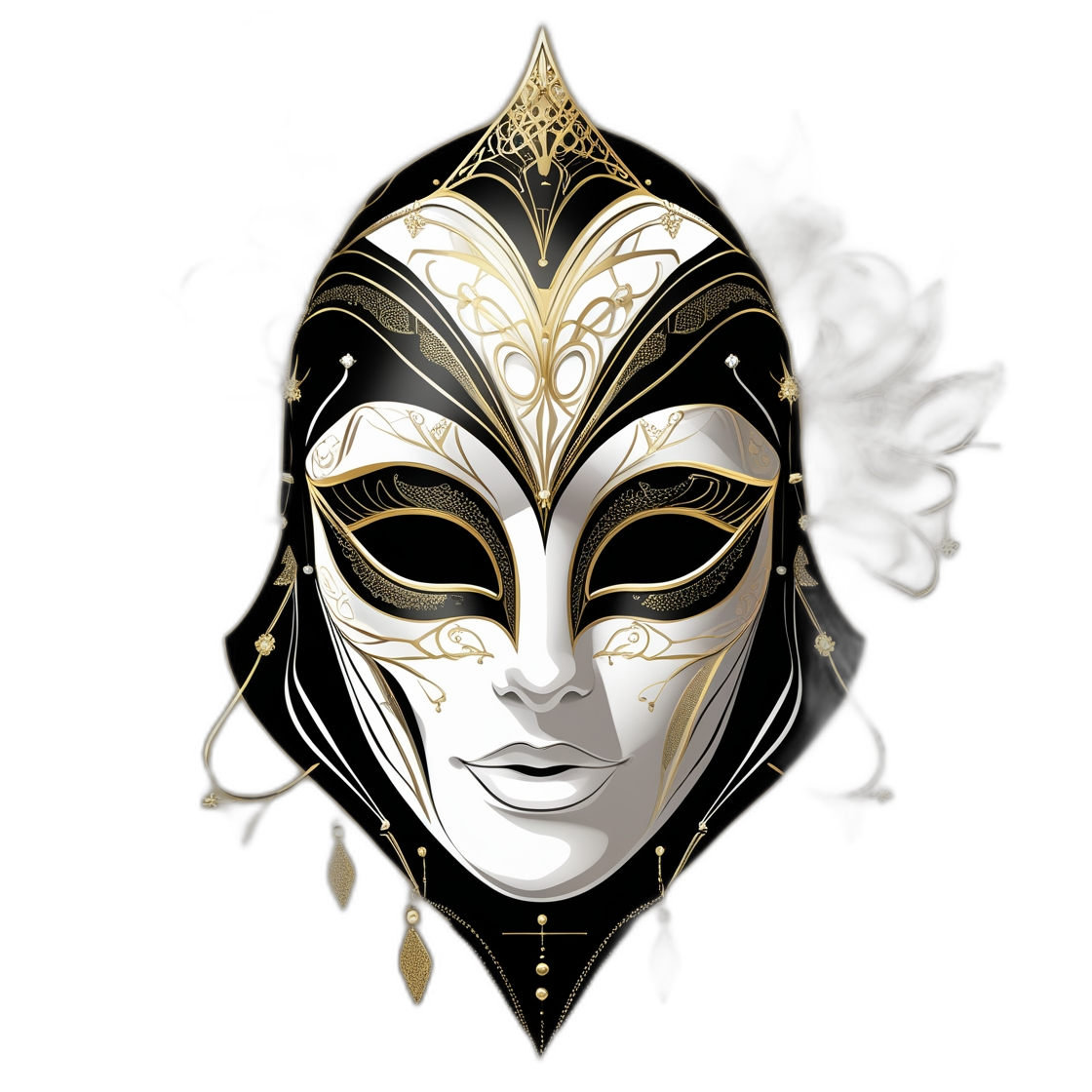

“Give them bread and circus, and they will never revolt.”
~Juvenal, Roman Poet
This ancient Roman axiom encapsulates a sobering truth about governance and control. It’s a tactic as old as empire: when the people’s stomachs are full, and their eyes are entertained, their voices fall silent. The phrase, penned by Juvenal in his Satires, was meant as a critique—a sharp condemnation of a society where citizens traded civic engagement for fleeting comforts. Yet, thousands of years later, the strategy endures, reshaped and redeployed in modern forms.
The parallels to contemporary American society are unmistakable. The bread—subsidized conveniences, economic safety nets, and fleeting assurances—and the circus—constant streams of entertainment, viral content, and outrage-driven media—combine to pacify the public. In exchange, the mechanisms of power operate with limited scrutiny, shielded by a haze of distraction. In both ancient Rome and modern America, the tools may differ, but the effect is the same: a citizenry diverted from meaningful participation in governance by the comforts and conflicts served up daily.
The recent decision by the U.S. Supreme Court to ban TikTok has reignited this conversation. Officially, the move has been justified on grounds of national security: concerns over data harvesting, propaganda, and the platform’s ties to foreign interests. But beneath these surface-level arguments lies a deeper irony—and a troubling hypocrisy.
The TikTok Ban: Protection or Performance?
Proponents of the ban argue that TikTok’s practices endanger Americans, exposing their data to adversarial powers and providing a platform for ideological manipulation. These are valid concerns. TikTok, like many tech platforms, thrives on user information, leveraging algorithms that can shape perceptions and amplify divisive narratives. It’s a platform that can, at least hypothetically, influence minds at scale.
But here’s the catch: the very behaviors cited as dangerous in TikTok’s operations are already institutionalized within the United States. The revelations of Edward Snowden exposed the extent to which American agencies like the NSA have harvested citizen data without consent, building vast surveillance infrastructures that operate in shadow. The same government decrying foreign manipulation of its citizens has spent decades perfecting its own mechanisms of control.
And let’s not forget propaganda. The term often evokes images of authoritarian regimes, but America’s own machinery for shaping public opinion is unmatched. From Hollywood’s influence in crafting cultural narratives to state-sanctioned media campaigns, the U.S. has long mastered the art of propaganda—not only directed outward but inward, ensuring the “right” stories reach the right audiences at the right times.
The Circus Distracts from the Bread
The irony of the TikTok ban is not just in its justification but in its timing. At a moment when Americans face growing inequality, a faltering healthcare system, and rampant political polarization, the move feels less like protection and more like performance. It’s a high-profile spectacle that captures headlines, sparking debates over Chinese influence while steering attention away from domestic failings.
Wealth and income inequality continue to widen, creating an economic chasm that leaves millions struggling while the top tier consolidates unprecedented wealth. Meanwhile, performative nonsense dominates the Senate floor, with grandstanding and partisan theatrics taking precedence over meaningful policy-making. It’s a circus where politicians play to their base instead of addressing systemic issues, leaving the bread—healthcare, housing, education—stale and inaccessible to many.
For many Americans, the dream of prosperity and stability is slipping further away, replaced by the creeping dread of a dystopian reality. The erosion of women’s rights, for example, has evoked comparisons to The Handmaid’s Tale, as legislative actions increasingly impose control over bodies and choices. Similarly, threats to withhold federal disaster relief aid unless state legislators align with specific political agendas conjure images of The Hunger Games, where survival becomes a matter of submission to authority.
This is the essence of bread and circus. The bread—or in this case, the assurance of protection from an external “villain”—placates immediate fears. The circus—a theatrical display of decisive action—keeps the public engaged. Meanwhile, the underlying structures that perpetuate inequality and corruption remain unchallenged.
A Call to Look Beyond the Mask
The question we must ask ourselves is not whether TikTok represents a danger—it undoubtedly poses questions worth examining—but whether the spotlight on it is meant to obscure greater truths. Are we being invited to focus on a single tree while the forest burns behind us?
In an era of unparalleled access to information, our greatest challenge is not ignorance but distraction. Bread and circus—once physical provisions and gladiatorial games—are now digital comforts and ideological battles. They lure us into complacency, offering just enough to keep us satisfied but never enough to empower us.
But history is a harsh teacher. Rome burned despite its bread and circuses, its emperors believing the facade of control could last forever. Today, cracks in the facade are already showing. The mob has begun to cheer not for justice but for revenge, as seen recently when one individual, allegedly wronged, decided to take matters into their own hands against a health insurance CEO in New York. The crowd’s reaction—a digital town square filled with applause for vigilante justice—is a chilling reminder of what happens when the promises of bread go stale and the circus loses its allure.
Just as the insurance industry often cites the policy of “Delay, Deny, Defend,” we see its broader equivalent playing out in society: “Distract, Divide, Exploit.” Through endless spectacles and deepening divisions, those in power hold the threads of a fragile status quo, hoping the distractions will outlast the decay beneath them. But hope is not a strategy, and distraction is not governance.
To break free from this cycle requires a willingness to look past the immediate, to question the motives behind the narratives we’re fed, and to hold accountable those who shape them. If we fail to do so, we risk becoming not just spectators of the circus but its unwitting participants, marching toward our own undoing.
Afterword: Seeing Beyond the Spectacle
While the world may feel as though it is unraveling, hope lies in the power of discernment and action. Understanding the forces at play starts with asking the right questions:
- Who benefits? When a news story dominates headlines, consider who gains from the narrative. Is it a distraction from a deeper issue? Does it shift focus away from those in power?
- What’s the intended impact? Reflect on the emotions a story provokes—fear, outrage, or complacency. Are these feelings meant to guide you toward action or to keep you passive?
- What’s missing? Silence can be as telling as noise. What stories are being overshadowed, and why?
Beyond critical thinking, small, actionable steps can help foster resilience against the circus:
- Diversify your information sources to minimize bias and expand your understanding of events.
- Engage in local governance, where your voice is most likely to have a tangible impact.
- Foster community connections to build networks of trust and mutual aid that aren’t reliant on systemic structures.
Bread and circuses can only pacify a populace willing to consume them uncritically. By pulling back the curtain and engaging with the structures behind the stories, we regain agency over our own lives. Change begins when we stop spectating and start questioning.
Recommended Listening:










Leave a comment